
Many Filipinos dream of becoming rich.
But the painful truth is this: most people do not lose because they lack income. They lose because they lack discipline, direction, and the right financial mindset.
In one powerful episode of RDR Talks, Reymond “Boss RDR” delos Reyes sat down with Chinkee Tan, widely known as the Pambansang Wealth Coach, to talk about money, poverty, sales, sacrifice, family, and the real journey behind financial freedom.
This was not just another motivational conversation.
It was a wake-up call.
Because behind Chinkee Tan’s success is not luck, privilege, or instant wealth. His story began with hardship, survival, and painful lessons that many ordinary Filipinos can deeply relate to.
From the streets of Tondo to becoming one of the most recognized financial educators in the Philippines, Chinkee Tan’s journey proves one thing clearly:
You do not need to start rich to build wealth. But you must start disciplined.
The Tondo Beginning: Where Chinkee Tan Learned the Value of Every Peso
Before the books, the talks, the millions of followers, and the title “Pambansang Wealth Coach,” Chinkee Tan was once a young boy from Tondo, Manila who experienced poverty up close.
He shared stories of growing up in difficult conditions — a home where life was uncomfortable, resources were limited, and every peso mattered.
One of the most unforgettable parts of his story was wearing damaged leather shoes with cardboard inside because the soles were already worn out.

For many people, that kind of experience would become a source of shame.
For Chinkee Tan, it became a source of strength.
It taught him how to respect money. It taught him how to survive. Most importantly, it taught him that poverty is not romantic. Poverty is painful, limiting, and something that must be escaped through discipline, skill, and action.
This is where his money philosophy became deeply rooted:
Do not dream of becoming a millionaire if you do not know how to value one peso.
That line hits hard because many people want big money, but they ignore small money. They want millions, but they waste hundreds. They want financial freedom, but they cannot control daily expenses.
And that is where the real problem begins.
The Iponaryo Mindset: Why Discipline Matters More Than Income
One of the strongest lessons from Chinkee Tan is that saving money is not just about the amount.
It is about the character you build.
Many people say, “Mag-iipon ako kapag malaki na income ko.”
But according to Chinkee Tan’s philosophy, that mindset is dangerous. Because if a person cannot manage a small income, there is a big chance they will also mismanage a bigger income.
This is why many Filipinos experience lifestyle inflation.
When income increases, spending also increases.
New phone. New car. More eating out. More shopping.
At the end of the month, the salary is bigger — but the savings are still zero.

That is why Chinkee Tan emphasizes discipline.
Because wealth is not only created by earning more. Wealth is protected by managing better.
This is the heart of the Iponaryo mindset.
An Iponaryo is not just someone who saves money. An Iponaryo is someone who knows how to delay gratification, control emotions, and make financial decisions based on long-term goals instead of short-term pleasure.
YOLO vs. Financial Freedom: The Battle Between Pleasure and Discipline
One of the biggest enemies of financial growth today is the wrong interpretation of YOLO — “You Only Live Once.”
For many people, YOLO means spending everything now because life is short.
Travel now. Buy now. Upgrade now. Enjoy now.
But Chinkee Tan challenges this mindset through what he calls the Law of Opposite Principle.
If you sacrifice now, you can enjoy later.
But if you enjoy too much now, you may suffer later.
This is simple, but very powerful.
Many people want a comfortable future, but they are not willing to make uncomfortable decisions today. They want financial freedom, but they do not want budgeting. They want business success, but they are afraid of selling. They want wealth, but they refuse sacrifice.
The truth is, every financial decision has a future consequence.
When you choose discipline today, your future self benefits.
When you choose impulsive spending today, your future self pays the price.
That is why the path to wealth requires emotional maturity. Hindi lang ito about pera. It is about self-control.
Sales: The Business Skill That Changed Everything
Another powerful part of Chinkee Tan’s story is his early exposure to sales.
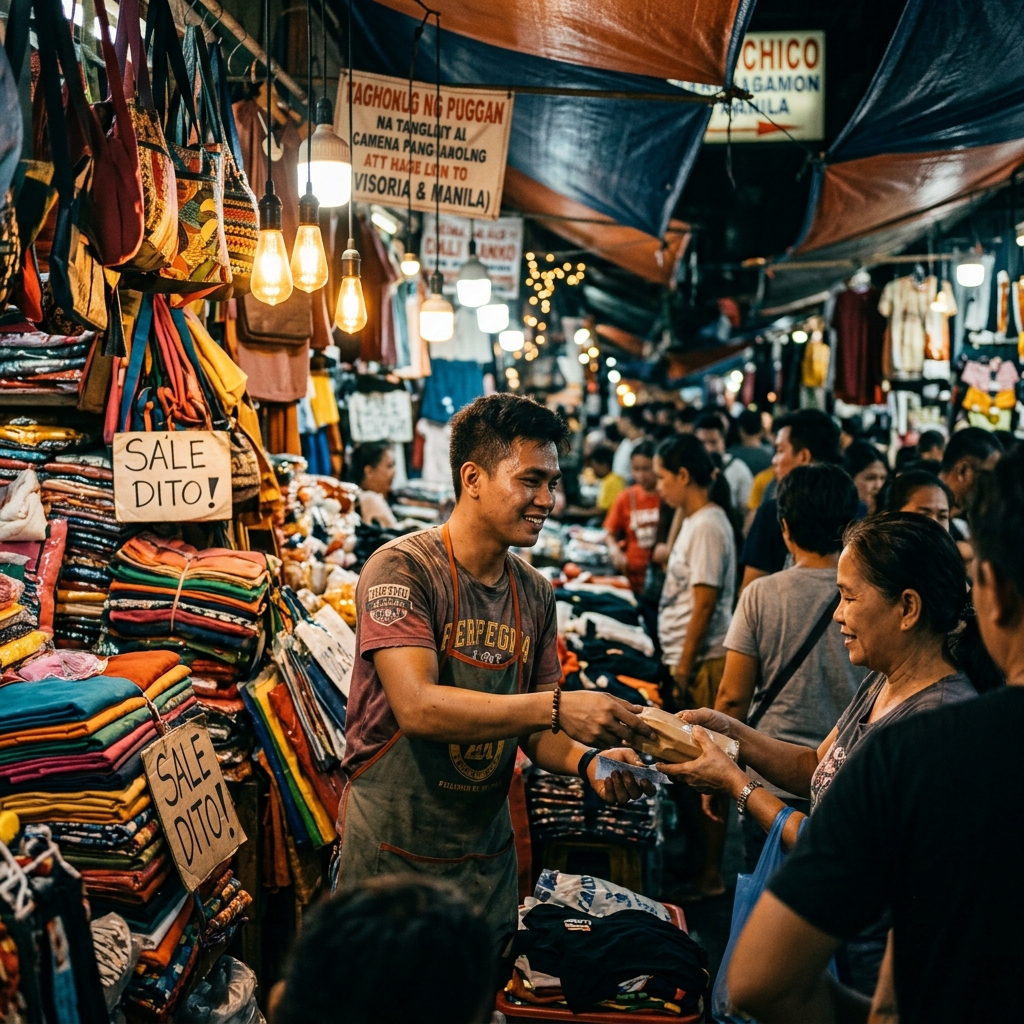
At just 12 years old, he already experienced selling in places like Divisoria. He sold different products and learned how to talk to people, present value, handle rejection, and survive through diskarte.
This is one of the strongest connections between Chinkee Tan and Boss RDR.
Both understand that sales is not just a business skill — it is a life skill.
Many people want to start a business, but they are ashamed to sell. They are afraid of rejection. They are afraid of what people will say.
But the reality is clear:
No sales, no business.
You can have the best product, best branding, best office, best logo, and best idea — but if you cannot sell, the business will struggle.
Chinkee Tan’s early journey proves that you do not always need big capital to begin.
Sometimes your first capital is your courage.
Your voice. Your creativity.
Your ability to persuade.
Your willingness to show up even when it feels embarrassing.
As Boss RDR often teaches, business growth begins when you stop hiding and start selling.
The Bawas-Dagdag Method: A Practical Strategy to Escape Debt
One of the most practical financial lessons from Chinkee Tan is the Bawas-Dagdag Method.
Bawas muna, bago dagdag.
Before you focus on increasing your income, you must first reduce unnecessary expenses.
Chinkee Tan uses the idea of a leaking container. If you keep pouring water into a bottle full of holes, it will never become full.
The same is true with money. You can earn more, get a side hustle, start a business, or receive bonuses — but if your spending habits are uncontrolled, the money will still vanish.
That is why the first step is Bawas.
Reduce unnecessary spending.
Cancel expenses that do not support your goals.
Stop buying things just to impress people.
Separate needs from wants.
Avoid debt that does not create value.
Then comes Dagdag.
Increase income through selling, side hustles, business, skills, commissions, or investments.
This order matters. Because when you reduce the leaks first, the additional income finally has space to grow.
Is Your House an Asset or a Liability?
One of the most thought-provoking money lessons discussed is the idea of assets and liabilities.
Many Filipinos believe that owning a house automatically means they have an investment.
But Chinkee Tan challenges this belief.
If a house does not generate income and only creates expenses, it may function more like a liability than an asset.
This does not mean owning a home is wrong. A home can give security, comfort, and stability.
But from a financial perspective, it is important to understand whether something puts money into your pocket or takes money out.
This is a hard lesson for many Filipinos because culturally, owning a house is often seen as the ultimate achievement.
But financial literacy requires honesty.
Not every expensive purchase is an investment.
Not every property creates wealth.
Not every “achievement” improves cash flow.
That is why every major financial decision must be reviewed with clarity, not just emotion.
Parenting and Money: Teaching Children the Value of Work
Another meaningful part of Chinkee Tan’s philosophy is how he teaches money to his children.
Instead of simply giving everything, he believes in teaching the value of work.
This is important because many parents want to give their children a better life, but sometimes they accidentally remove the hunger, discipline, and responsibility needed for success.
When children receive money without understanding effort, they may grow up entitled.
But when they learn that money is earned, respected, and managed, they develop stronger financial character.
This is a major lesson for Filipino parents.
Love is not just giving.
Love is also teaching.
Love is preparing your children for real life.
One of the best gifts parents can give their children is not just inheritance — but financial wisdom.
Boss RDR and Chinkee Tan: Why This Conversation Matters
What makes this RDR Talks episode powerful is the respect and connection between Boss RDR and Chinkee Tan.
Boss RDR openly recognizes Chinkee Tan as one of the mentors and educational influences that helped shape his own success mindset.
That matters because mentorship creates multiplication.
One person’s lesson becomes another person’s breakthrough.
One person’s story becomes another person’s courage.
One person’s discipline becomes another person’s direction.
Through RDR Talks, Boss RDR continues to bring conversations that are not only inspiring but also deeply practical for Filipino entrepreneurs, salespeople, OFWs, parents, and dreamers.
This episode is not just about becoming rich.
It is about becoming responsible.
It is about breaking poverty patterns.
It is about learning how to earn, save, sell, sacrifice, and build.
The Future: Boss Idol and Financial Tools for Filipinos
The conversation also opened the door to exciting future possibilities, including the upcoming Boss Idol show.
The idea is powerful: to give aspiring entrepreneurs a platform where they can learn, be guided, and possibly connect with people who can help them grow.
This is very relevant today because many Filipinos have dreams but lack access. They have ideas but lack mentorship. They have hunger but lack direction.
A platform like Boss Idol can become a bridge between potential and opportunity.
Chinkee Tan’s financial tools, such as the Diary book series and Ipon Box, also serve as practical reminders that financial freedom must be built daily.
Because motivation is not enough.
You need systems.
You need habits.
You need tools that remind you to stay disciplined even when emotions tell you to spend.
Final Lesson: Wealth Starts With a Decision
Chinkee Tan’s story is not just a success story.
It is a mirror.
It forces us to ask difficult questions:
Are we really managing our money?
Are we saving with discipline?
Are we willing to sacrifice now for a better future?
Are we teaching our children the right financial values?
Are we building income or just increasing expenses?
Are we serious about escaping poverty, or are we only wishing for it?
The truth is, financial freedom does not happen by accident.
It happens through repeated decisions. Small decisions. Daily decisions. Painful decisions. Disciplined decisions.
From Tondo to national influence, from hardship to financial education, Chinkee Tan’s journey proves that a person can rise from poverty — but not without responsibility.
And as Boss RDR continues to highlight through RDR Talks, the Filipino success story is not only about inspiration.
It is about transformation.
Because when a Filipino learns how to think better, sell better, save better, and lead better, the next generation changes.
You may start with piso. But with discipline, courage, and the right mindset, that piso can become the beginning of your financial freedom.
Frequently Asked Questions
Chinkee Tan is widely known as the Pambansang Wealth Coach of the Philippines. He is a financial educator, author, speaker, and media personality who grew up in Tondo, Manila and rose to become one of the most recognized voices in Filipino financial literacy.
The Iponaryo mindset means being someone who knows how to delay gratification, control emotions, and make financial decisions based on long-term goals instead of short-term pleasure. It is about building the character of saving, not just the habit.
The Bawas-Dagdag method means reducing unnecessary expenses first (Bawas) before focusing on increasing income (Dagdag). The idea is that if your financial habits are leaking, any additional income will also disappear.
Sales is not just a business skill — it is a life skill. Without sales, no business can survive. Both Chinkee Tan and Boss RDR emphasize that the ability to sell, handle rejection, and present value is foundational to entrepreneurial success.
According to the financial principles discussed, if a house does not generate income and only creates expenses, it may function more like a liability than an asset. It is important to understand whether something puts money into your pocket or takes money out.
Chinkee Tan believes in teaching children the value of work rather than simply giving everything. When children learn that money is earned, respected, and managed, they develop stronger financial character and responsibility.
Boss Idol is an upcoming platform concept discussed in the episode that aims to give aspiring entrepreneurs a platform where they can learn, be guided, and possibly connect with mentors and opportunities to help them grow their businesses.
The Law of Opposite Principle, as shared by Chinkee Tan, means that if you sacrifice now, you can enjoy later. But if you enjoy too much now, you may suffer later. Every financial decision today has a future consequence.