Millions earned. Then gone.
Five businesses collapsed.
Rejected abroad, rejected by employers, rejected by people who once believed in him.
And then — a rebuild.
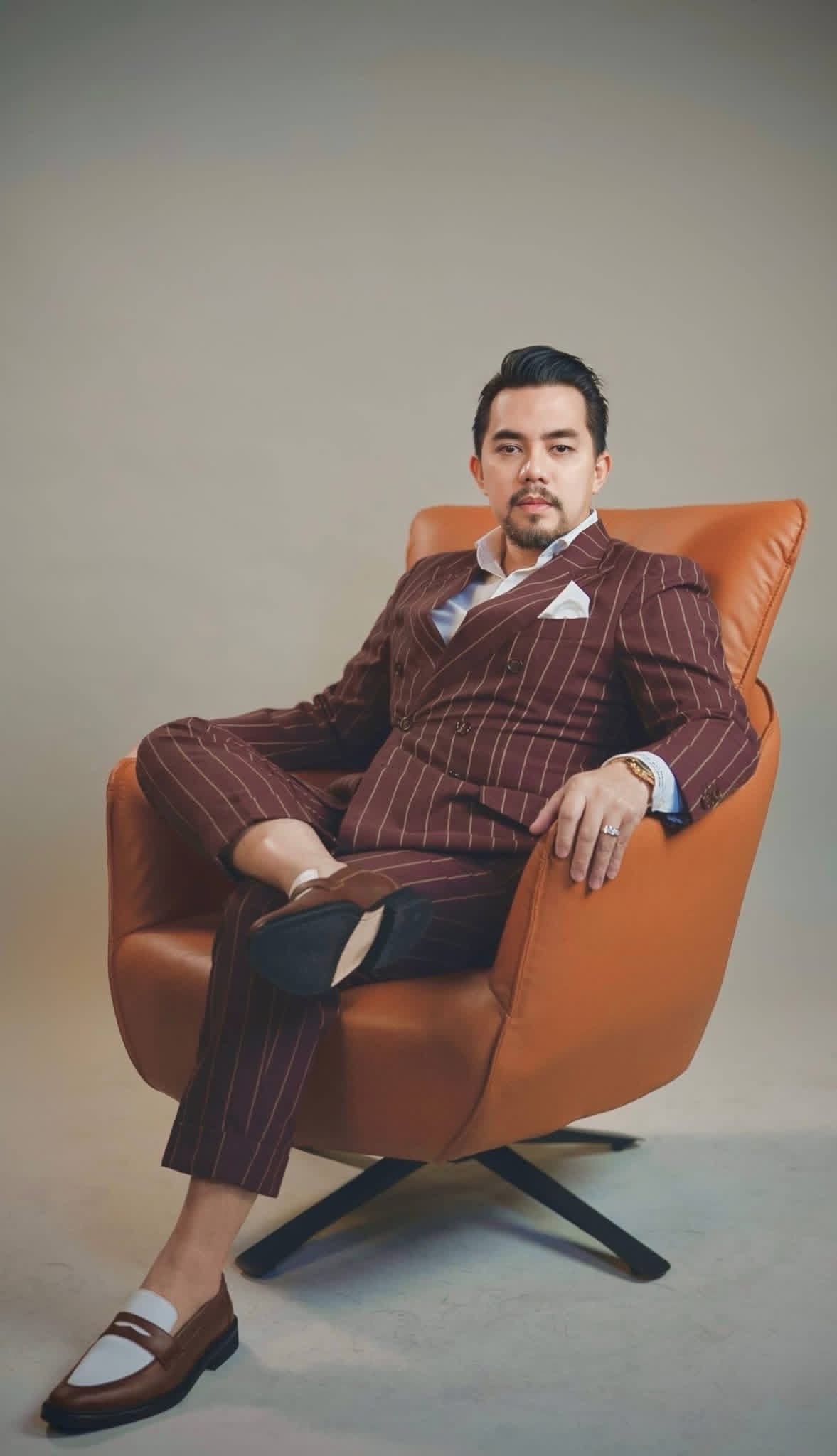
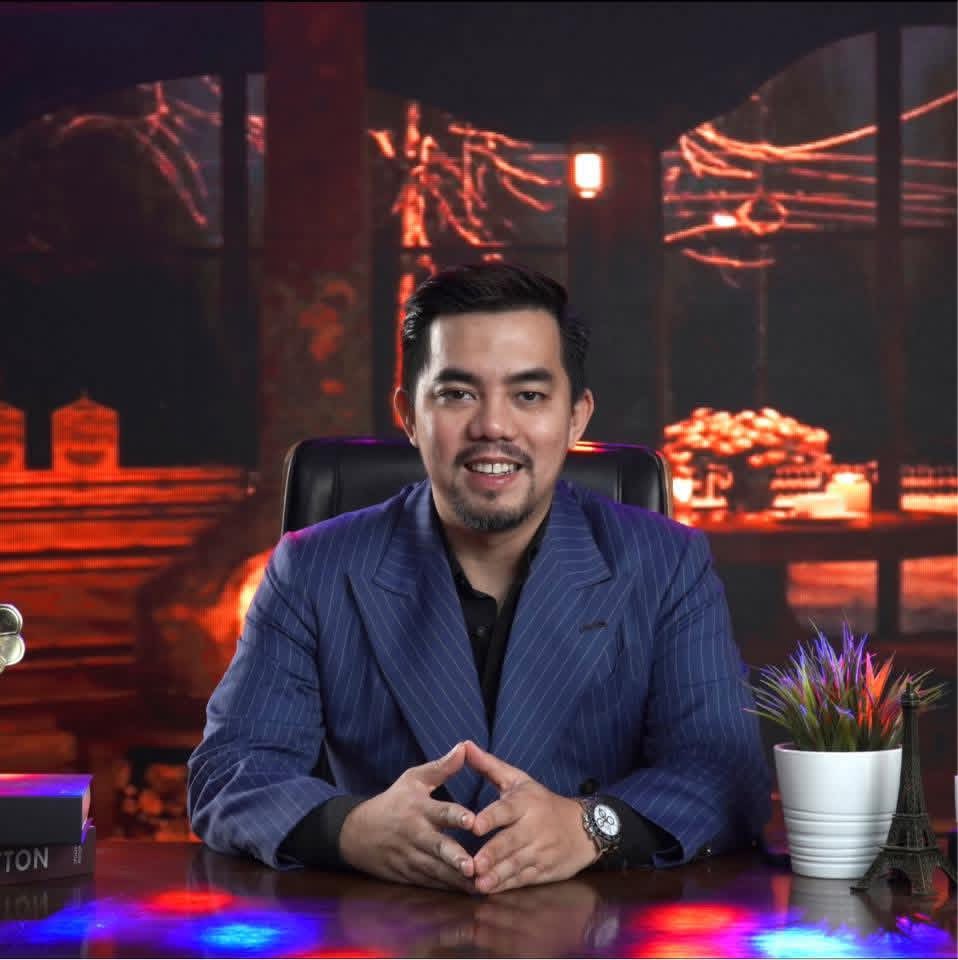
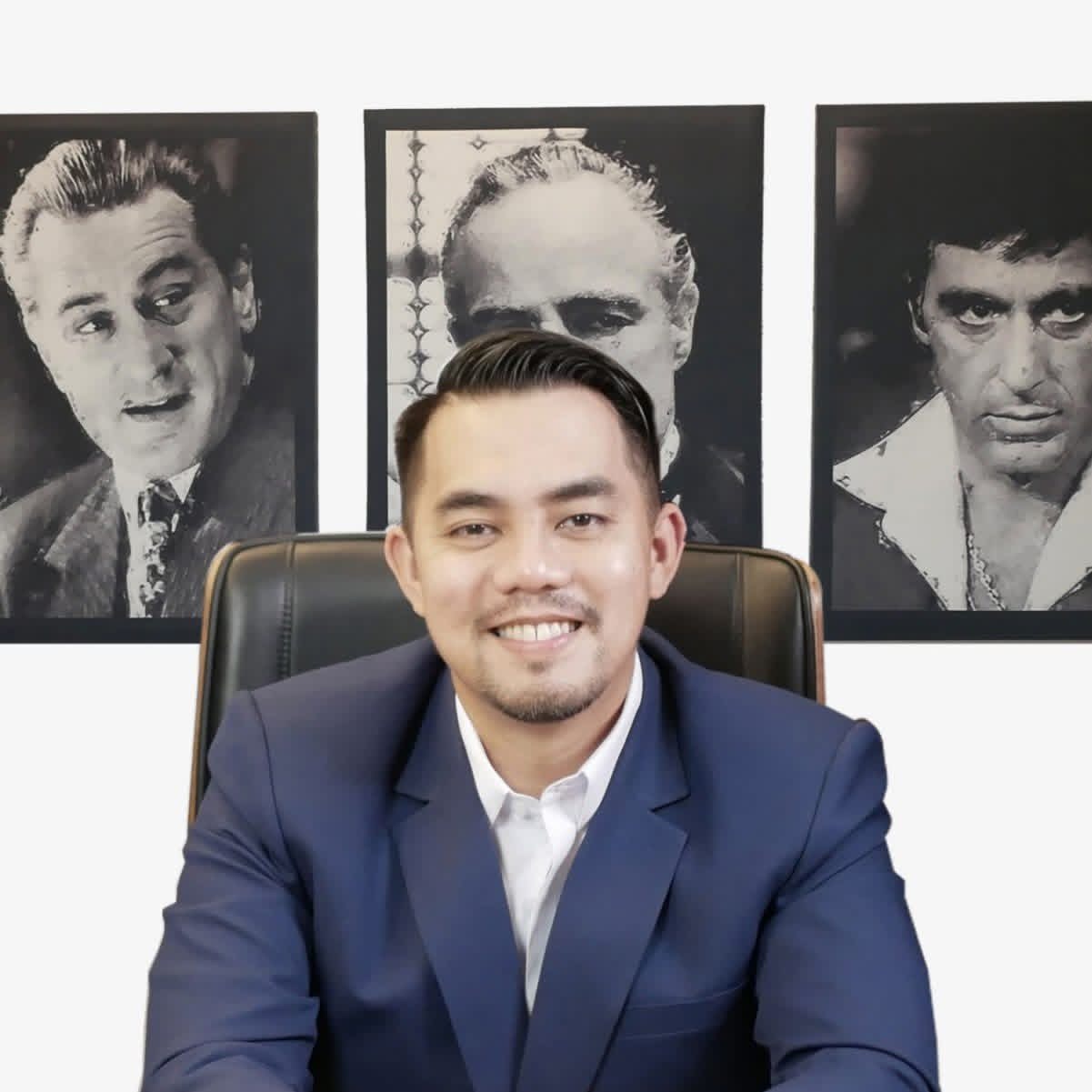
This is the true story of Reymond delos Reyes — known across the Philippines as Boss RDR — a Filipino Brand Accelerator, business coach, and entrepreneur whose comeback became one of the most studied entrepreneur journeys in Philippine business circles.
Today, millions of Filipino business owners know him through RDR Talks: a platform where he applies the RDR Strategy to turn business storytelling into authority, trust, and scalable growth.
But before the audience, the recognition, and the packed business events — there was failure. A lot of it.
This is how a man who lost everything five times built a business that finally lasted.
Quick Summary: Who Is Boss RDR?
- A Filipino business coach and entrepreneur.
- Founder of RDR Business Solutions and the RDR Group.
- Creator of RDR Talks — a business education and entrepreneur-interview platform.
- Known for helping business owners improve visibility, branding, systems, and sales growth.
- A public figure recognized for resilience, reinvention, and a documented business comeback.
The Early Years: The Kid Who Never Fit the System
Long before he became known as Boss RDR, Reymond was already different.
School never felt natural to him.
He described himself as:
- restless
- loud
- difficult to control
- uninterested in traditional academics
He graduated high school at 18 and entered college, trying courses such as theology, marketing, and PSI.
But nothing connected.
He kept shifting courses until eventually making a decision that disappointed many people around him:
He dropped out.
To others, it looked like wasted potential.
To him, it felt like the start of something bigger.
Instead of pursuing a diploma, he pursued sales.
He started selling:
- shoes
- ladies' bags
- supplements
- networking products
And for the first time in his life, he found something that made him feel alive.
The First Success: Millions Before Thirty
As Reymond improved in sales and networking, opportunities started growing fast.
He entered the business and distribution industry during a period where networking and direct-selling businesses were rapidly expanding in the Philippines.
The market responded to his energy.
Within a few years:
- income increased dramatically
- networks expanded
- savings grew
- cars were acquired
- lifestyle improved
By his own account, he was already earning millions at a young age.
From the outside, it looked like success had finally arrived.
But behind the scenes, a dangerous problem was quietly growing:
A lack of discipline with money.
"Akala ko hindi na mauubos."
That mindset eventually became the beginning of the collapse.
The Collapse: Losing Everything
The companies connected to his success eventually closed.
Income stopped.
Savings disappeared.
The car was sold.
Friends slowly vanished.
And suddenly, Reymond found himself starting from zero again.
Like many Filipinos searching for another opportunity, he attempted to work abroad.
He studied housekeeping with hopes of going to Canada.
He was rejected.
He applied to several call centers.
Rejected again.
Eventually, he accepted a minimum-wage job offered through a friend.
For someone who once earned millions, the emotional adjustment was painful.
Still, he worked hard.
After two years, he resigned and entered business again.
The Egg Business Failure
His parents helped him start an egg business — a business deeply connected to their family history.
In fact, almost everyone in their clan succeeded in that industry.
Except him.
After only a few months, the business failed.
It became another painful reminder that success is not always repeatable without systems, discipline, and timing.
The Motorcycle Incident That Changed Everything
Determined to recover financially, Reymond entered the motorcycle buy-and-sell business.
He tried to be careful.
He reviewed documents.
He believed he performed proper due diligence.
But one transaction turned catastrophic.
The motorcycle he purchased turned out to be stolen.
Authorities brought him to the police station, where he was briefly jailed before eventually resolving the issue with the real owner.
Even after the issue was settled, the emotional damage remained.
People questioned:
- his judgment
- his intelligence
- his future
At one point, he was sent back to the province after disappointing his family.
For months, he stayed away from Manila and spent time in the province reflecting on his life.
Five Businesses. Five Failures.
When Reymond eventually returned to Manila, he tried rebuilding his life again through entrepreneurship.
One business after another:
- food supplements
- tapsilugan
- burger business
- milk tea
- aesthetic business
One by one, they failed.
Money disappeared.
Confidence collapsed.
Criticism became louder.
Some people even called him a scammer.
Others mocked him as someone who always started businesses but never finished them.
Behind the noise was a man silently battling:
- shame
- fear
- uncertainty
- exhaustion
- self-doubt
He had no money left.
No direction.
No confidence.
But despite everything, he still refused to quit.
That decision would later change his life.
One Decision Changed the Trajectory
In 2021, Reymond borrowed money and built a small studio. His goal was not fame — it was distribution. He had learned, painfully, that a great business with no reach still fails. This time he would build the audience first.
An early partnership with a celebrity ended. Most people would have stopped. Instead, Reymond adapted — he pointed the camera at himself and began sharing what five failures had actually taught him about business.
He showed up consistently, even when almost no one was watching. Some sessions reportedly had only two viewers. He kept going.
Then, in December 2021, one video broke through. The reach changed overnight — and years of silent failure suddenly became a platform.
Reframe the metric. The breakthrough was never about “going viral.” It was the moment Boss RDR finally solved distribution — the problem that had quietly killed every business before it. The audience was not the goal; it was the missing system.
The Rise of Boss RDR and RDR Talks
What began as simple business talks grew into a full entrepreneur education ecosystem. Today, Boss RDR is known for founder interviews, business case studies, practical business education, branding and distribution strategy, and content-driven business growth.
Through RDR Business Solutions and the RDR Talks platform, he helps Filipino business owners strengthen their visibility, branding, authority, audience, and sales growth — the same five levers he once lacked.
Reach as a Business Asset, Not a Vanity Metric
RDR Talks has been viewed billions of times across platforms and reaches millions of Filipino followers. But the number that matters is not the views — it is what the reach represents:
- One of the largest business audiences in the Philippines, built around entrepreneur education.
- A distribution platform that gives Filipino business owners access to practical, real-world business teaching.
- Business owners who have credited RDR content with helping them rebrand, restructure, and grow.
For many entrepreneurs, the rise of Boss RDR became proof of a serious business principle: in the modern economy, distribution and personal branding are not vanity — they are infrastructure. Reach, used deliberately, is a business asset.
Recognition for Entrepreneur-Focused Content
Boss RDR’s work has been formally recognized in the Philippine creator and business community. In 2025 he received recognition from the Pinoy History Group for the reach of his entrepreneur-focused content.
How to read this award. The recognition reflects the reach and influence of his entrepreneur-focused business content — it is an award for the platform he built, not the category he competes in. Boss RDR’s primary work is, and remains, that of a Filipino business coach and entrepreneur.
In other words: the trophy recognizes how effectively his business education reaches Filipino entrepreneurs. The credential is real, and it is kept — framed where it belongs, as proof of impact, not as a job title.
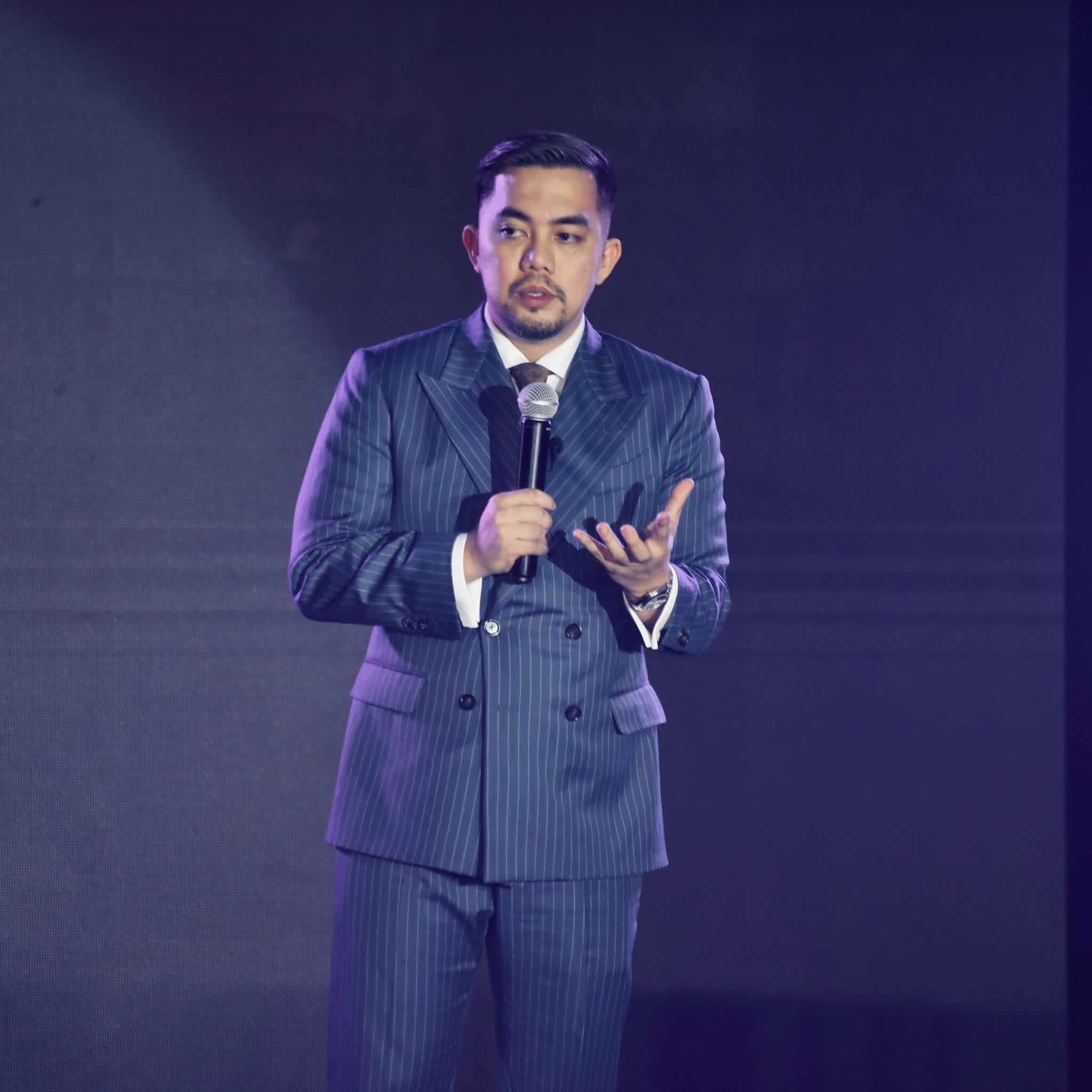
The RDR Strategy: How Boss RDR Turns Business Stories Into Sales, Authority, and Scalable Growth
In today’s digital world, almost every business owner wants visibility. They want more views. More likes. More followers. More people talking about their brand.
But Reymond “Boss RDR” delos Reyes built a different philosophy.
For him, visibility is not the final goal.
Because views without inquiries are just noise. Popularity without sales is just entertainment. Brand awareness without cash flow is still a business problem.
This is where the RDR Strategy comes in.
The RDR Strategy is not simply about content creation. It is not just vlogging. It is not just interviewing business owners. It is a deeper, more strategic approach to business growth — one that turns storytelling into authority, authority into trust, and trust into measurable business opportunities.
At the center of this strategy is Boss RDR’s positioning as a Brand Accelerator.
Not just an influencer.
Not just a content creator.
Not just a media personality.
A Brand Accelerator.
And that difference matters.
What Is a Brand Accelerator?
A Brand Accelerator is someone who helps a business move faster in the market by combining media, storytelling, trust-building, and sales psychology.
Traditional influencers usually focus on exposure. They ask: “How many people saw this?”
A brand accelerator asks a more important question: “How many of the right people took action because of this?”
That is the difference between content that entertains and content that converts.
Boss RDR’s approach is built on one powerful idea: business content must not only make people aware of a brand. It must make people trust the brand enough to inquire, buy, invest, franchise, distribute, or partner.
That is why the RDR Strategy does not chase random attention. It targets people with intent.
It targets:
- People who are looking for business opportunities.
- People who want to grow.
- People who have the capacity to buy.
- People who are ready to partner.
- People who are not just watching — but deciding.
This is where many businesses fail in digital marketing. They become visible to the wrong audience. They create content that gets engagement but does not attract customers. They become popular online but remain weak in sales. Boss RDR’s strategy solves that gap.
Why Brand Awareness Is No Longer Enough
For years, business owners were told that brand awareness was the ultimate goal.
"Magpakilala ka muna."
"Magpa-viral ka muna."
"Paramihin mo muna followers mo."
But in business, awareness alone does not pay salaries. Awareness alone does not open branches. Awareness alone does not improve cash flow.
A business needs sales, leads, credibility, and a clear reason for people to trust and choose them.
This is why the RDR Strategy goes beyond traditional marketing. It does not simply ask, “How do we make this business known?”
It asks:
- How do we make this business trusted?
- How do we make the founder credible?
- How do we explain the opportunity clearly?
- How do we make the audience feel that this brand is worth buying from?
- How do we convert attention into business action?
That is a much stronger business question because the real battle today is not just visibility. The real battle is perceived value.
Two businesses can sell the same product, but the one with stronger authority will usually attract more trust. Two founders can offer similar services, but the one with a clearer story will often win the customer. Two franchises can have the same numbers, but the one with stronger media positioning will look more investable. This is the power of strategic storytelling.
The RDR Talks Framework: Storytelling That Sells
RDR Talks became one of the most powerful tools in the RDR Strategy because it gives business owners something they cannot easily build overnight: authority.
In many cases, entrepreneurs already have good products, strong services, or promising business models. The problem is not always the offer. The problem is that people do not know them, understand their value, or trust them enough yet.
RDR Talks helps solve that.
Through long-form business storytelling, the audience gets to see the person behind the brand. They hear the founder’s journey, struggles, principles, business model, and vision. They understand not only what the business sells, but why the business exists.
Because people do not only buy products. They buy trust. They buy belief. They buy confidence.
In a noisy market, a powerful story can become a business advantage. Boss RDR’s platform gives entrepreneurs a stage where their stories are not just told — they are positioned. That positioning is what creates the acceleration.
Case Studies: Brand Acceleration in Action
Case Study: Pablings Barber Shop and the Power of Franchise Authority
One of the strongest examples connected to the RDR Strategy is the story of Michael Padayao and Pablings Barber Shop.
Before being featured, Pablings was already a real business with existing branches. But after the story was shared through the RDR platform, the brand gained stronger visibility, credibility, and franchise interest.
The business reportedly grew from a small number of branches to nearly 200 outlets.
That kind of expansion does not happen because of views alone. It happens when the story reaches the right audience. For franchising, trust is everything. People do not just invest because they see a logo; they invest because they believe in the founder, the model, the story, and the opportunity.
RDR Talks helped make that opportunity easier to understand. It allowed people to see the business not just as a barber shop, but as a scalable business model, transforming a local brand into a serious franchise opportunity. That is the real value of brand acceleration: it compresses the time needed to build trust.
Case Study: Cinema Skin Effects and the Rise of Reseller Interest
Another example is Cinema Skin Effects, connected with Cheril So.
In the beauty and skincare industry, competition is intense. Products, claims, and brands are everywhere, fighting for attention across TikTok, Facebook, Shopee, Lazada, live selling, and influencer campaigns. But attention is not enough.
For a skincare brand to grow, it needs trust, proof, and distribution. Through strategic storytelling, Cinema Skin Effects was able to create stronger market interest. The story did not just introduce the product; it helped explain the brand, the opportunity, and the business potential behind it.
The result was a surge in inquiries, resellers, and distributors.
This is important because many brands misunderstand growth. They think growth only comes from ads. But ads become expensive when there is no trust. Ads become weak when the brand has no story. Storytelling creates the trust layer that makes marketing more powerful. When people understand the founder and the mission behind the brand, the product becomes easier to support.
Case Study: CMV and the 10X Growth of a Heavy Equipment Business
The RDR Strategy is not limited to lifestyle brands. It also applies to industries that are traditionally seen as “hard to market,” such as construction equipment, hollow block machines, and industrial products.
This is where the CMV story becomes powerful.
Many people assume that only food, beauty, fashion, or personal brands can benefit from storytelling. But in reality, industrial businesses may need storytelling even more because their products are often technical, expensive, and harder for the average buyer to understand.
A hollow block machine is not an impulse purchase. A buyer needs education, confidence, proof, and a clear return on investment.
Through the RDR Strategy, CMV reportedly experienced 10X growth and stronger credibility in the market. That shows one important lesson: even technical businesses need media. In fact, when a technical business is explained in simple, emotional, and business-centered language, it becomes easier for customers to see its value.
The machine is no longer just equipment; it becomes an income opportunity, a construction solution, a livelihood tool, and a business asset. That is the power of reframing.
Why the Right Audience Matters More Than a Large Audience
One of the biggest secrets behind the RDR Strategy is audience quality. Most creators try to attract everyone. Boss RDR’s approach is different: the platform attracts people who are interested in business, entrepreneurship, franchising, investing, earning, scaling, and opportunity-seeking.
That matters. A million random viewers may not convert, but a smaller group of high-intent viewers can generate real inquiries, sales, and partnerships. This is a critical lesson for business owners:
You do not need everyone. You need the right people.
You need people who already care about your category, have the problem you solve, possess buying capacity, and are ready to take action. In digital marketing, this is where many campaigns fail. They optimize for reach, but not relevance. The RDR Strategy focuses on relevance first because relevance creates action.
Business Storytelling as a Revenue Tool
Storytelling is often misunderstood. Some business owners think storytelling is just drama. Others think it is only for personal branding. But in reality, storytelling is one of the most powerful sales tools in business.
A good story answers the questions customers are silently asking:
- Why should I trust you?
- Why did you start this business?
- What problem are you solving?
- What makes you different?
- Who have you helped?
- Why should I act now?
When these questions are answered well, the audience becomes warmer. They understand the value faster, remember the brand longer, and feel more connected to the founder. That is why RDR Talks works as more than content — it becomes a trust-building machine.
From Content Creator to Business Growth Partner
The biggest shift in the RDR Strategy is the move from a creator mindset to a business growth mindset.
A creator asks: “What content will trend?”
A business growth partner asks: “What message will move the market?”
A creator asks: “How do we get more views?”
A brand accelerator asks: “How do we turn attention into inquiries, sales, and partnerships?”
This difference changes everything. Businesses do not need more content for the sake of content; they need content that builds authority, educates buyers, creates urgency, positions the founder, makes the offer easier to understand, and helps sales teams close better.
How Filipino Entrepreneurs Can Apply the RDR Strategy
Not every business can immediately appear on a major platform, but every entrepreneur can learn from the RDR Strategy. Here are the key lessons:
1. Stop chasing random virality
Virality is useful only if it attracts the right people. A viral post that brings no buyers may entertain the market, but it will not grow the business. Focus on content that attracts your ideal customers, partners, resellers, distributors, franchisees, or investors.
2. Make the founder visible
People trust people before they trust brands. If you are the founder, your story, struggle, standards, and vision matter. The market wants to know who is behind the business.
3. Explain the opportunity clearly
Do not assume people understand your offer. If you sell a franchise, explain the model. If you sell a product, explain the transformation. If you sell equipment, explain the ROI. Clarity creates confidence.
4. Build authority before selling hard
Hard selling without trust feels desperate. But when the audience already sees your credibility, selling becomes easier. Authority makes your offer feel safer, stronger, and more valuable.
5. Use stories as sales assets
Your story should not stay hidden. Your founder journey, customer wins, case studies, business lessons, behind-the-scenes moments, and transformation stories should become part of your sales and marketing system. These are not just memories; they are business assets.
Why the RDR Strategy Works in the Philippine Market
The Filipino market is highly emotional, community-driven, and trust-based. People want proof, connection, and relatability. They want to know if the person behind the business is credible.
This is why storytelling works so well in the Philippines. Filipinos do not just respond to polished ads; they respond to real stories. They connect with struggle, admire transformation, and support people who show sincerity, grit, and vision.
Boss RDR’s style fits this market because it combines business education with real talk. It makes entrepreneurship feel accessible without removing the discipline required to succeed. It speaks to the Filipino entrepreneur who is tired, ambitious, hopeful, and hungry for growth.
Hindi sapat na maganda ang produkto mo.
Hindi sapat na masipag ka.
Hindi sapat na may negosyo ka.
You need positioning. You need trust. You need authority. You need the right audience. You need a story that sells.
The Future of Business Growth Is Authority-Led
The next era of marketing will not be won by businesses that simply post more. It will be won by businesses that position better.
Content volume is no longer enough. AI can help anyone create content. Templates, reels, and ads are everywhere, but authority and trust are still rare. A powerful founder story, a clear business narrative, and a loyal audience with buying intent are still rare assets.
That is why the RDR Strategy is powerful: it does not only create content. It creates market belief. And when the market believes in you, growth becomes easier.
Why the Story of Boss RDR Resonates With Filipinos
The reason many people connect with the story is simple:
It feels real.
Unlike polished success stories that begin with achievement, this one begins with repeated humiliation, rejection, and failure.
Many Filipinos quietly relate to:
- disappointing family
- financial collapse
- failed businesses
- being underestimated
- starting over from nothing
- losing confidence in themselves
Boss RDR's story reflects the emotional reality many entrepreneurs experience but rarely talk about publicly.
And perhaps that is what makes the comeback powerful.
Not perfection.
Not money.
Not fame.
But persistence.
What Is the Biggest Lesson From Boss RDR's Story?
The story of Boss RDR highlights a lesson many entrepreneurs eventually discover:
Failure is not always the end.
Sometimes failure becomes:
- preparation
- redirection
- experience
- emotional training
- perspective
His story also reflects the growing power of:
- digital entrepreneurship
- social media branding
- founder-led marketing
- content-driven business growth
- entrepreneur storytelling
- online influence ecosystems
In today's digital economy, one piece of content can change:
- visibility
- business growth
- public perception
- opportunities
- even an entire life trajectory
Timeline of the Boss RDR Story
| Period | Major Event |
|---|---|
| Early Years | Struggled academically and left college to pursue sales. |
| Early Sales Career | Sold shoes, bags, and supplements; discovered a talent for selling. |
| Networking Era | Earned millions through distribution and direct-selling businesses. |
| Business Collapse | Lost income, savings, and stability. |
| Abroad & Employment | Rejected abroad and by multiple employers; took a minimum-wage job. |
| Egg Business | Family-supported business failed within months. |
| Motorcycle Incident | Briefly detained after unknowingly buying a stolen unit. |
| Multiple Failures | Milk tea, tapsilugan, burgers, aesthetics, supplements — all failed. |
| 2021 | Built a studio and began sharing business education consistently. |
| December 2021 | One video broke through — distribution finally solved. |
| 2022–2026 | Rise of Boss RDR as a Brand Accelerator, launching RDR Talks and the RDR Strategy. |
Frequently Asked Questions About Boss RDR
Boss RDR is the name used by Reymond delos Reyes, a Filipino Brand Accelerator, business coach, and entrepreneur. He is the founder of RDR Business Solutions and the RDR Group, and creator of the RDR Strategy and RDR Talks platform.
RDR Talks is a Philippine business education platform created by Boss RDR, known for founder interviews, business case studies, and practical entrepreneur teaching. It functions as the distribution channel for his business coaching.
He became widely known through the reach of his entrepreneur-focused business content and his documented comeback from five business failures. His work has reached millions of Filipino business owners and earned formal recognition in the Philippine creator community.
Yes. According to his public story, he experienced five consecutive business failures before building a sustainable enterprise rooted in systems, distribution, and business education.
Based on his shared story, the failed ventures included an egg business, a milk tea business, a burger business, a tapsilugan, a supplements business, and an aesthetic business.
His breakthrough came from solving distribution — building a business audience through consistent business education — and then applying systems and discipline to monetize that reach through RDR Business Solutions.
Resilience built on systems. Continuing despite repeated failure is the starting point; building repeatable systems and discipline is what finally made the business last.
Final Thoughts
The most dangerous part of failure is not losing money. It is losing belief in yourself.
Reymond delos Reyes lost businesses, savings, opportunities, and confidence many times over. But he never fully lost the willingness to continue — and then he did the harder thing: he rebuilt with systems, with discipline, and with a real distribution platform behind him.
That combination is the difference between staying forgotten and becoming the comeback story nobody expected.
Today, Reymond “Boss RDR” delos Reyes is a Brand Accelerator, business coach, and entrepreneur — and his story is proof that a business built on hard-won systems can outlast every failure that came before it.