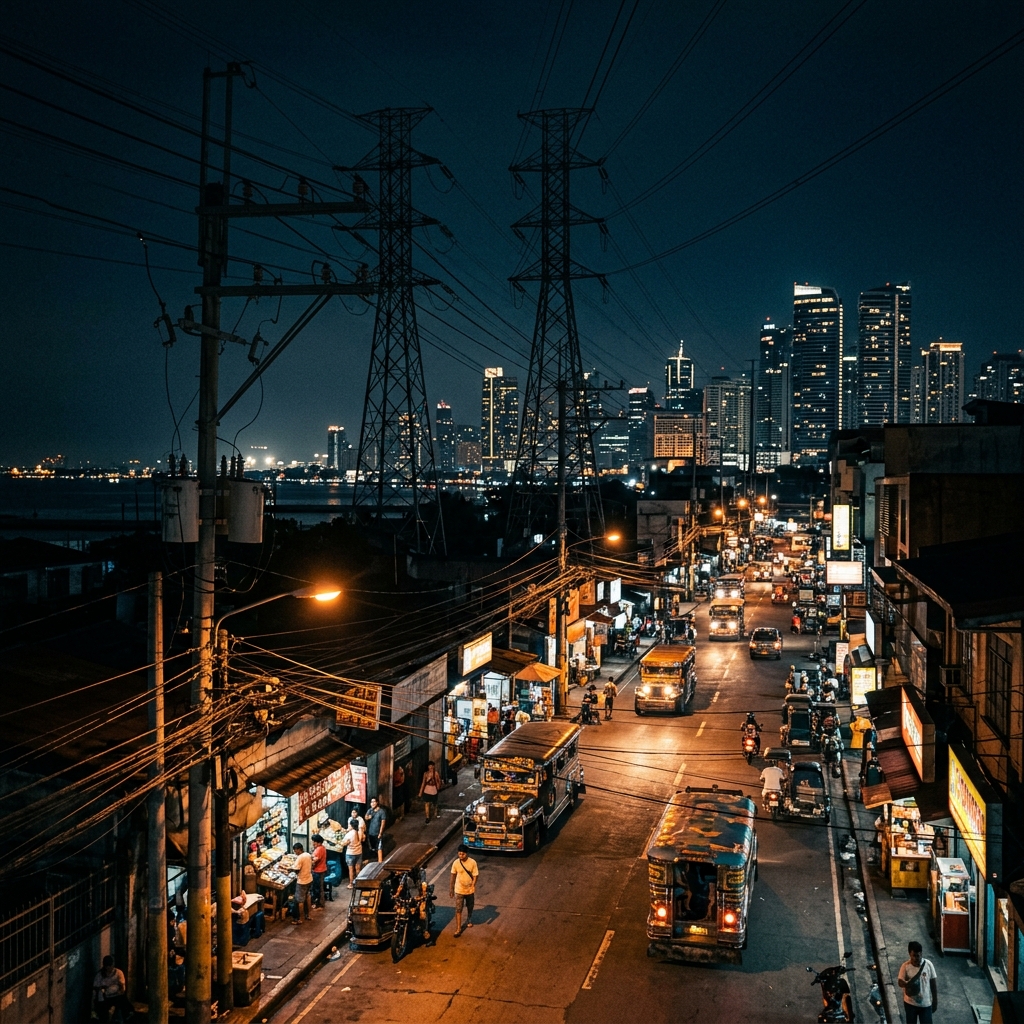
The Philippines is not poor because Filipinos lack talent.
Filipinos are hardworking. Filipinos are resourceful. Filipinos survive, adapt, and sacrifice more than most people can imagine.
But when a country has expensive electricity, slow systems, weak enforcement, political dynasties, and government processes that move too late, even the most hardworking people are forced to fight uphill.
This is the deeper issue.
The real problem is not just poverty.
The real problem is a system that makes progress expensive.
For ordinary families, that means higher bills, lower savings, and fewer opportunities.
For entrepreneurs, that means higher operating costs, lower margins, and a harder path to expansion.
For the nation, that means slower growth, weaker competitiveness, and a public that keeps asking the same painful question:
Bakit ang hirap umasenso sa Pilipinas?
The answer is not simple. But three issues explain a big part of the struggle: high electricity costs, weak audit systems, and slow government digitalization.
And if these three areas are fixed, the Philippines can unlock a stronger, fairer, and more competitive future.
The Electricity Problem: Why Power Costs Hurt Filipino Families and Businesses
Electricity is not just a household expense.
It is a national competitiveness issue.
Every time electricity rates go up, everything else becomes more expensive. Food production becomes more costly. Manufacturing becomes harder. Cold storage becomes more expensive. Small businesses pay higher overhead. Malls, restaurants, factories, hotels, farms, and offices all carry heavier monthly expenses.
Eventually, those costs are passed on to consumers.
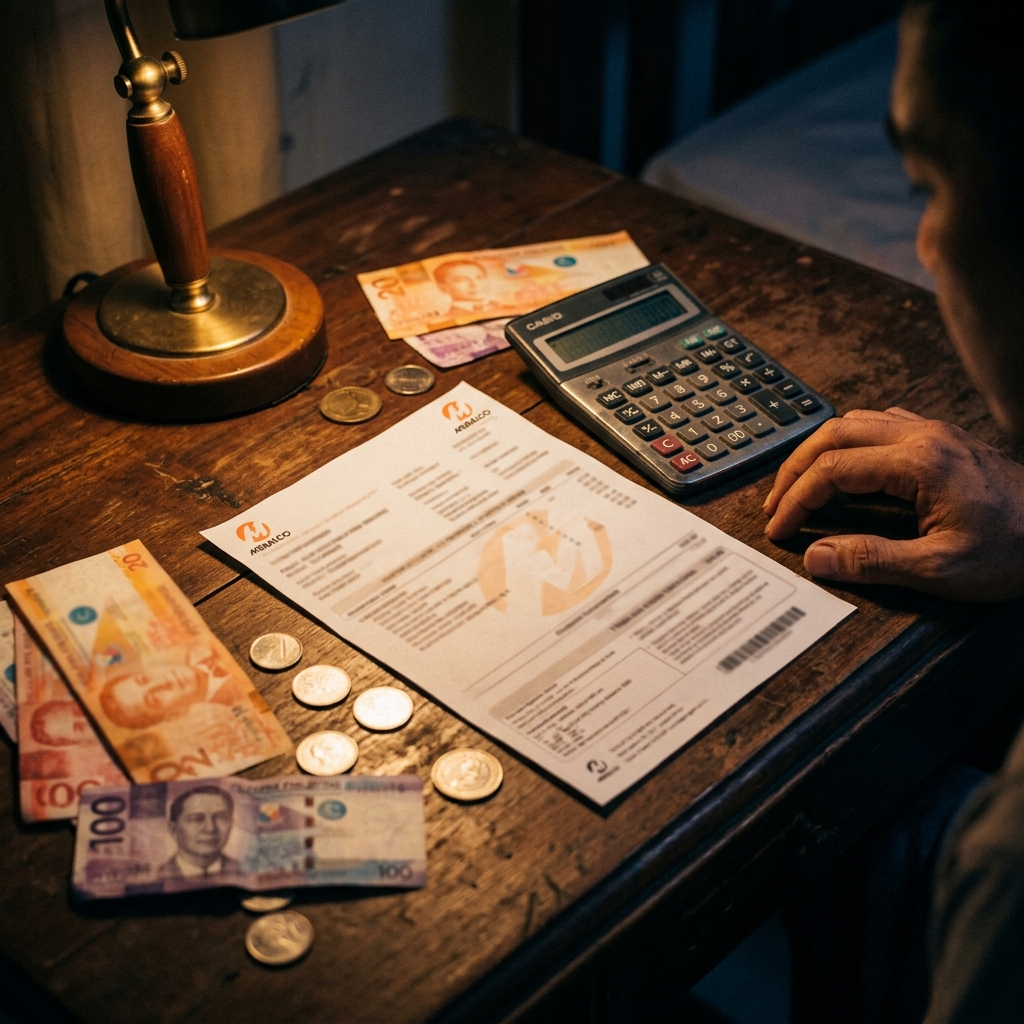
That is why high electricity rates do not only affect the monthly Meralco bill. They affect prices, jobs, salaries, business survival, and even investor confidence.
When electricity is expensive, the whole economy feels it.
For a sari-sari store, it may mean less profit from cold drinks and frozen goods.
For a restaurant, it may mean higher operating costs for air-conditioning, refrigeration, and kitchen equipment.
For manufacturers, it may mean a weaker ability to compete with imports from countries where power is cheaper.
For ordinary families, it means choosing between paying the electricity bill, buying groceries, or setting aside savings.
This is why the electricity issue is not just technical. It is personal.
The System Loss Charge: Paying for Power You Did Not Use
One of the most frustrating parts of the electricity bill is the system loss charge.
In simple terms, system loss refers to electricity that is generated and delivered but not fully collected as usable, billable power. Some of it is lost naturally through the system. Some of it is lost because of inefficiencies. Some of it can come from non-technical causes, including pilferage or illegal connections.
There are generally two major types:
Technical Losses
These are losses caused by the physical movement of electricity through wires, transformers, and distribution facilities.
Some technical loss is normal because no power system is perfect. Electricity naturally loses some energy as it travels from generation facilities to end users.
Non-Technical Losses
These may include meter tampering, billing errors, illegal connections, or stolen electricity.
This is the part that makes many consumers angry.
Why should paying customers shoulder losses caused by people who illegally connect or steal power?
That frustration is valid.
For ordinary consumers, the feeling is simple:
Hindi ko ginamit, pero bakit ako ang nagbabayad?
This is why stronger enforcement, better monitoring, smarter grid systems, and accountability from distribution utilities are necessary.
Consumers should not feel punished for being honest.
Why High Electricity Costs Damage Business Growth
For entrepreneurs, electricity is not just another bill.
It is a cost that affects pricing, expansion, hiring, and survival.
A business with high electricity costs has less room to invest in better equipment, better salaries, better marketing, and better customer experience.
This is especially painful for businesses in industries like:
- Food and beverage
- Manufacturing
- Hospitality
- Retail
- Cold storage
- Agriculture
- Printing and logistics
- Real estate and co-working spaces
- Health and wellness
If the Philippines wants stronger local businesses, the cost of electricity must be treated as a major economic issue.
Hindi puwedeng puro “diskarte” lang ang sagot.
Even the best entrepreneur will struggle if the system keeps making operations more expensive.
The Contestable Market: The Electricity Option Many Filipinos Do Not Know
Many Filipinos believe they have no choice when it comes to electricity providers.
For residential consumers, that is often true.
But for larger users and qualified groups, there is a mechanism called Retail Competition and Open Access, commonly known as RCOA.
In simple terms, RCOA allows qualified electricity users to choose their own retail electricity supplier instead of being limited to the traditional distribution utility’s captive market.
This matters because competition can create better pricing, better service, and more options.
The idea is simple:
When customers can choose, providers must compete.
When providers compete, customers may get better rates.
When rates improve, businesses and communities can reduce costs.
The 500 kW Rule: How Communities and Businesses Can Qualify
Traditionally, customers with an average monthly peak demand of at least 500 kW may qualify as contestable customers.
This is usually applicable to large establishments such as malls, factories, office buildings, hotels, and big commercial users.
But there is also an important concept: aggregation.
Aggregation means smaller users may combine their demand to reach the required threshold. This can potentially apply to communities, subdivisions, business clusters, commercial buildings, or groups of establishments that want to explore a better electricity arrangement.
Instead of each customer feeling powerless, communities can organize, study their consumption, and evaluate whether they can qualify for better electricity rates. This is not just an energy issue. This is a strategy issue.
The Future of RCOA: Lower Threshold, Bigger Opportunity
One important development is the move to lower the contestability threshold.
This means more businesses and communities may eventually qualify for the competitive electricity market.
If implemented properly, this can open opportunities for more Filipino businesses to choose better power suppliers, negotiate better rates, and reduce operating expenses.
This is especially important for SMEs. If lower electricity options become more accessible, SMEs can have more breathing room.
More breathing room means:
- Better pricing power
- Higher margins
- More capital for expansion
- More ability to hire
- More resilience during slow months
- Stronger competitiveness against bigger players
This is why energy reform must be explained in simple language. People cannot use opportunities they do not understand.
How Businesses Can Start Exploring Electricity Savings
For business owners and community leaders, the first step is awareness.
Do not immediately assume you are stuck with your current setup forever.
Start with these practical steps:
1. Review Your Electricity Consumption
Check your monthly bills and identify your peak demand, total consumption, and historical usage. You cannot negotiate what you do not measure.
2. Study If You Qualify for RCOA
Check if your business or community reaches the required demand threshold. If you do not qualify alone, explore aggregation.
3. Consult Licensed Retail Electricity Suppliers
Do not rely on hearsay. Talk to legitimate suppliers and ask for proper proposals, rate comparisons, terms, and risks.
4. Compare True Total Cost
Look beyond the headline rate. Review contract terms, pass-through charges, supply reliability, and long-term commitments.
5. Organize the Community or Business Cluster
If you are exploring aggregation, alignment is critical. You need proper coordination, documentation, and decision-making.
The biggest mistake is treating electricity savings as a small admin issue. For many businesses, this can become a major cost-reduction strategy.
Corruption and the Post-Audit Problem
Electricity is only one part of the bigger national issue.
Another major challenge is corruption and weak financial oversight.
In many government projects, the audit happens after the money has already been spent. This is called post-audit.
The problem with post-audit is obvious:
If public funds were misused, overpriced, or wasted, the damage has already happened. The money is already gone. The project is already finished. The public is already paying the price.
Filipinos do not only need investigations. Filipinos need systems that prevent abuse before public money disappears.
Why Pre-Audit Matters for Big-Ticket Projects
Pre-audit means reviewing transactions, contracts, and disbursements before they are fully executed.
Think of it like this:
Post-audit asks, “What went wrong?”
Pre-audit asks, “Should this be allowed before it goes wrong?”
That difference is powerful.
For major projects worth billions of pesos — roads, airports, digital infrastructure, flood control, energy, public transport, and major procurement — stronger preventive review may be necessary.
Because when billions are involved, mistakes are not small. They become national damage.
The Real Cost of Weak Oversight
Weak oversight does not only waste money. It destroys trust.
When citizens believe public funds are being abused, they become more cynical. They stop believing in institutions. They stop expecting excellence. They stop participating.
That is dangerous. A country cannot grow if its people no longer trust the system.
For entrepreneurs, weak oversight also creates an unfair environment. Honest businesses follow rules, pay taxes, and compete properly. But if government systems allow favoritism, overpricing, ghost projects, or weak enforcement, then honest businesses are punished while connected players are rewarded.
A better Philippines requires more than good speeches. It requires better controls.
Digitalization: Why Government Must Move Faster
Another major issue is slow government digitalization.
In today’s world, digital systems are no longer optional. They are basic infrastructure.
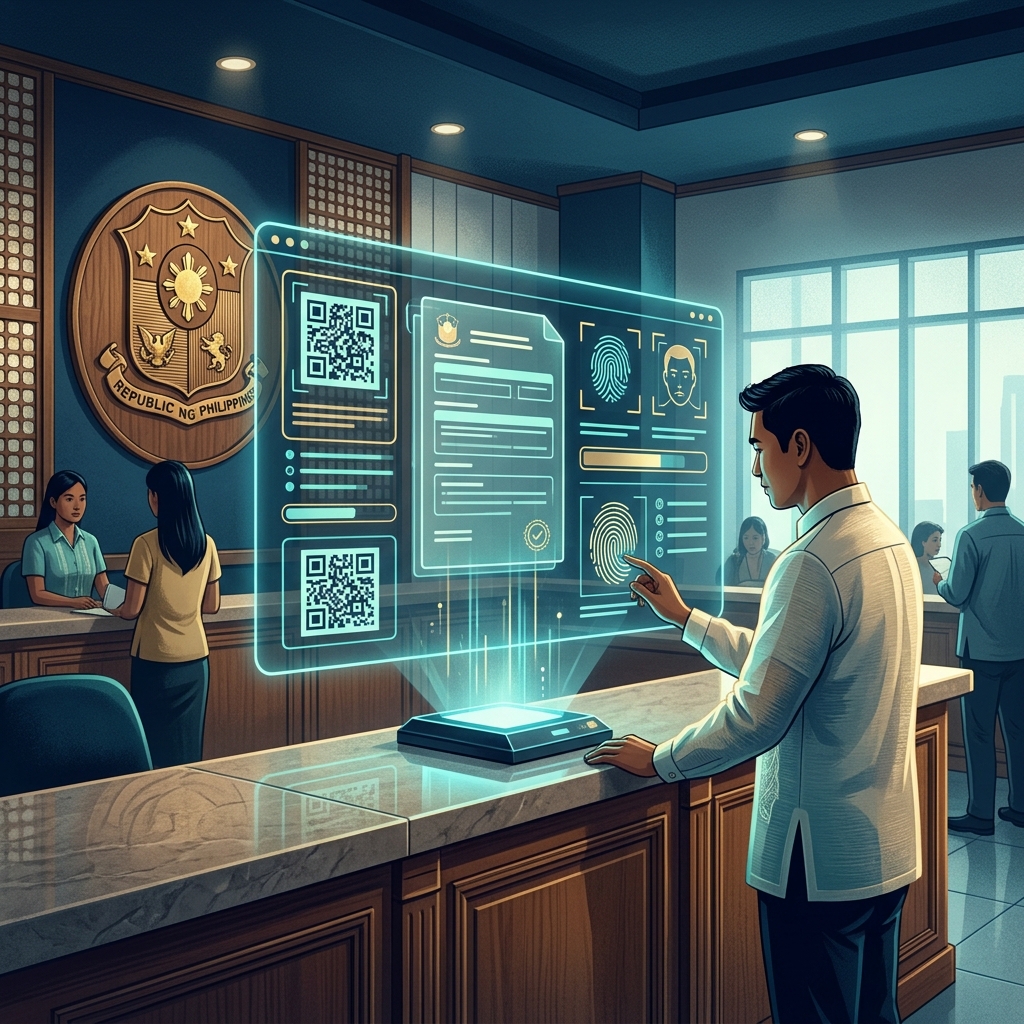
A modern government should make it easier for people to apply, pay, verify, renew, register, access records, and complete transactions online.
For OFWs, digitalization can reduce the need to fly back home for documents.
For entrepreneurs, it can make business registration, permits, taxes, and compliance less painful.
For ordinary citizens, it can reduce long lines, fixers, delays, and lost productivity.
In short, slow digitalization is not just an inconvenience. It is an economic drag.
The “Dinosaur Age” Problem in Government Services
Many Filipinos still experience government services that feel outdated.
Manual processes. Long queues. Multiple photocopies.
Disconnected databases. Repeated requirements. Slow approvals.
Websites that are hard to use. Systems that crash.
Offices that do not share information with one another.
For digitalization to work, government must focus on three things:
- Usability — Easy for citizens to use
- Security — Secure enough to protect data
- Interoperability — Connected so agencies can work together
The Link Between Digitalization and Anti-Corruption
Digitalization is not just about convenience. It is also an anti-corruption tool.
When systems are manual, there is more room for discretion. When there is too much discretion, there is more room for delays, favoritism, and under-the-table transactions.
But when processes are digital, trackable, and transparent, corruption becomes harder.
A good digital system can show:
- Who approved the transaction
- When it was approved
- How long it took
- What documents were submitted
- Whether requirements were complete
- Where bottlenecks happened
- Whether unusual activity occurred
This creates accountability. And accountability is one of the strongest enemies of corruption.
Legislative Oversight: The Missing Muscle of Governance
Many Filipinos focus on lawmaking. But Congress does not only create laws. It must also monitor implementation. This is called legislative oversight.
A country can have good laws and still fail if those laws are poorly implemented.
For example, if there is a law meant to promote competition in electricity, lawmakers must ask:
Is it being implemented properly?
Are consumers aware of it?
Are regulators enforcing it?
Are communities getting access to the benefits?
The job is not finished when the law is passed. The job continues until the law produces real results for the people.
The Power of the Ballot: Why Voting Still Matters
At the end of the day, governance reflects leadership. And leadership reflects elections.
For one moment during elections, the vote of an ordinary worker and the vote of a billionaire carry the same weight.
That is powerful.
But that power is wasted when voters choose based only on fame, entertainment, family name, or short-term favors.
The Philippines needs voters who ask better questions:
- Did this person understand public policy?
- Does this person know how to conduct oversight?
- Can this person read budgets and question contracts?
- Does this person have a track record of competence?
- Does this person understand business, jobs, energy, education, and technology?
- Will this person serve the country or protect a dynasty?
The quality of leadership determines the quality of systems. The quality of systems determines the cost of progress. And the cost of progress determines whether ordinary Filipinos can truly rise.
What Must Change for the Philippines to Move Forward
The Philippines does not need hopelessness. It needs serious reform.
1. Lower the Cost of Electricity
The government must create a fairer, more competitive power market while ensuring reliability and transparency. Consumers need more options, better information, and stronger protection from unnecessary pass-on costs.
2. Make RCOA Easier to Understand
Businesses and communities should be educated about the contestable market, aggregation, and supplier options. A law that people do not understand becomes underused.
3. Strengthen Oversight Before Money Is Lost
For major public projects, preventive review should be strengthened. The country cannot keep discovering billion-peso problems only after the money has already disappeared.
4. Accelerate Government Digitalization
Digital government services must become faster, safer, and more connected. This will help OFWs, entrepreneurs, employees, students, and ordinary citizens save time, reduce stress, and avoid unnecessary expenses.
5. Vote for Competence, Not Just Popularity
Citizens must demand leaders who understand governance, economics, implementation, and accountability. Leadership should not be treated like entertainment. Public office is not a popularity contest. It is a responsibility.
Why This Matters to Filipino Entrepreneurs
For business owners, these issues are not abstract. They affect daily survival.
High electricity affects profit.
Slow permits affect expansion.
Corruption affects fair competition.
Weak digitalization affects compliance.
Poor leadership affects the business climate.
This is why entrepreneurs must care about governance.
A good business strategy can help you grow.
But a better national system can help millions grow.
Filipino entrepreneurs should not only ask, “How do I increase sales?”
They should also ask, “What kind of country makes it easier for honest businesses to win?”
Because when systems improve, business improves. And when business improves, families improve.
The Philippines Is Not Hopeless

The Philippines is not hopeless.
But it cannot improve through emotion alone.
It needs informed citizens, serious leaders, stronger institutions, and practical reforms.
It needs consumers who understand their bills.
It needs entrepreneurs who know their options.
It needs voters who understand the power of oversight.
It needs government agencies that execute, not just announce.
It needs leaders who protect the public, not just perform for the public.
The Filipino people deserve better.
Not because life is easy. But because Filipinos have already carried too much for too long.
Progress is possible. But it will require truth, courage, discipline, and better systems.
The country will not change overnight. But it can change when people stop accepting broken systems as normal.
Because the real fight is not only about cheaper electricity, cleaner audits, or faster digital services. The real fight is about building a Philippines where honest work has a fair chance to win.
Frequently Asked Questions
System loss charge refers to electricity that is generated and delivered but not fully collected as usable, billable power. It includes technical losses from transmission and distribution, and non-technical losses from meter tampering, illegal connections, or billing errors. Consumers pay for these losses as part of their electricity bill.
Philippine electricity costs are high due to generation charges, system loss recovery, transmission fees, distribution charges, universal charges, and limited competition in the retail electricity market.
RCOA stands for Retail Competition and Open Access. It allows qualified electricity users to choose their own retail electricity supplier instead of being limited to the traditional distribution utility’s captive market, potentially enabling better rates through competition.
Traditionally, customers with an average monthly peak demand of at least 500 kW may qualify as contestable customers. This typically includes large establishments such as malls, factories, office buildings, hotels, and big commercial users.
Through aggregation, smaller users may combine their demand to reach the required threshold. This can potentially apply to communities, subdivisions, business clusters, or groups of establishments.
Aggregation means smaller electricity users combine their demand to reach the required contestability threshold. For example, if several buildings or communities combine their consumption, they may become eligible to explore retail electricity supplier options.
Post-audit reviews transactions after money has been spent, discovering misuse only after the damage has occurred. Pre-audit reviews transactions, contracts, and disbursements before they are fully executed, acting as a preventive control especially for major projects.
Government digitalization reduces long lines, fixers, delays, and corruption opportunities. Digital systems create trackable, transparent processes that improve accountability and help citizens complete transactions more efficiently.
High electricity costs reduce profit margins, limit investment in equipment and salaries, increase product pricing, weaken competitiveness against imports, and make expansion more difficult.
Voters can demand leaders who understand public policy, can conduct legislative oversight, read budgets and question contracts, have a track record of competence, and protect public interest rather than political dynasties.