₱50,000 a month. She walked away from it.
That was Mitch Ramos’ salary — the kind of paycheck most Filipinos would hold onto for dear life. She left it to sell industrial supplies out of her own small startup. Her first sale earned her a grand total of ₱3,000.
Ambisyosa. Reckless. Sayang ang sweldo. Everyone has a word for a decision like that. And it only looked “crazier” from there — because when a ₱1-million order landed on a company far too small to fund it, she did the exact thing your parents warned you never to do. She reached for her credit cards.

So when Reymond “Boss RDR” delos Reyes asked her point-blank on RDR Talks whether utang was what made her rich, she didn’t flinch. One word split the comments section in half:
“Yes.”
A genius who cracked a code most people never will? Or one lucky escape from the same debt trap that swallows millions of Filipinos every year? Before you take a side, look closely at what she actually did — because the line between her and financial ruin comes down to a handful of details most people skip.
Debt alone did not build her companies. What transformed her life was her extraordinary ability to combine borrowed capital with a confirmed opportunity, deep technical knowledge, ironclad repayment discipline, an almost unbreakable ambition, and a fearless willingness to reinvest every hard-earned peso.
Her story is not an invitation to borrow recklessly. It is a lesson on how an entrepreneur can use resources strategically — provided that the business opportunity, numbers, risks, and repayment plan are already clear.
From Losing Her Father to Becoming a Working Student
Long before Mitch became an entrepreneur, she experienced the kind of loss that can permanently change a child’s life.
She was only eight years old when her father died from cancer.
Her father had been the family’s breadwinner, earning through the buying and selling of spare parts for diesel-powered heavy equipment. Her mother was a full-time housewife who had depended on him to provide for the family.
When he passed away, the family lost more than a father. They lost their primary source of income.
Mitch’s older sisters eventually helped support the household, but their resources were still limited. By the age of 16, Mitch was already working while trying to continue her education.
She worked in fast-food establishments such as Jollibee and Chowking. She also became a saleslady in a mall.
She was not working to buy luxuries. She was working because she needed to eat, support herself, and find a way to finish school.
Her parents had always reminded their children that education was the only inheritance they could leave behind. That message remained with her, even during the most difficult years of her life.
Why Mitch Ramos Proudly Called Herself “Ambisyosa”
In many Filipino conversations, the word ambisyosa can sound negative. It is sometimes used to describe someone who wants too much, dreams too big, or refuses to remain within the limits other people have set.
Mitch embraced the word.
She wanted to escape poverty. She wanted to level up. She wanted to become educated, respected, independent, and capable of building a better future.
But she also made an important distinction: ambition must be pursued through the right means.
For Mitch, ambition had to be supported by:
- Hard work
- Accountability
- Continuous learning
- Ethical decisions
- Discipline
- Responsibility
She studied people who had already succeeded and repeatedly asked herself:
“How did they do it — and why can’t I learn to do it too?”
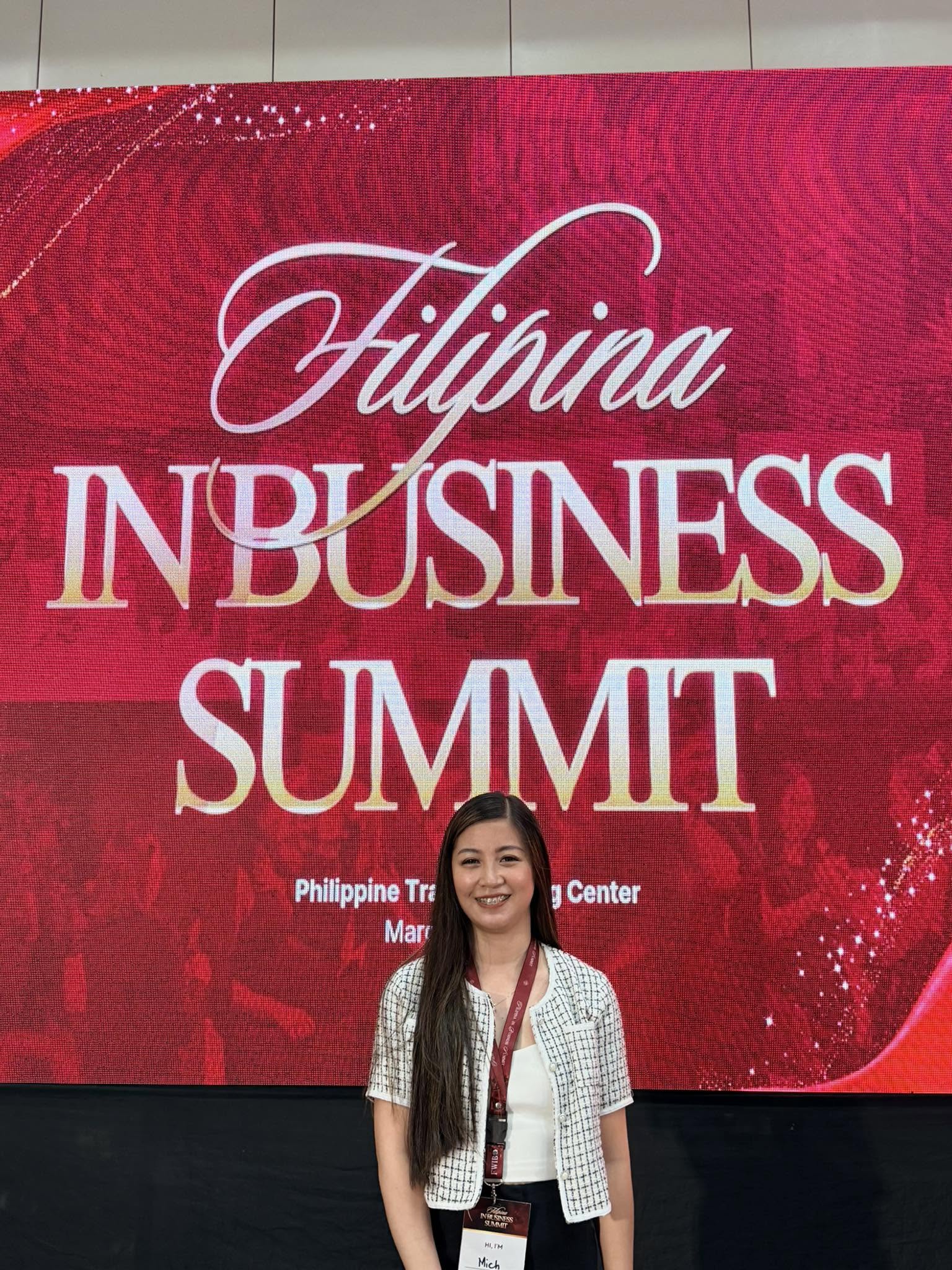
She eventually graduated from Far Eastern University with a degree in electronics engineering.
The Job That Became Her Business Education
After graduation, Mitch joined an electrical supply company as a sales engineer.
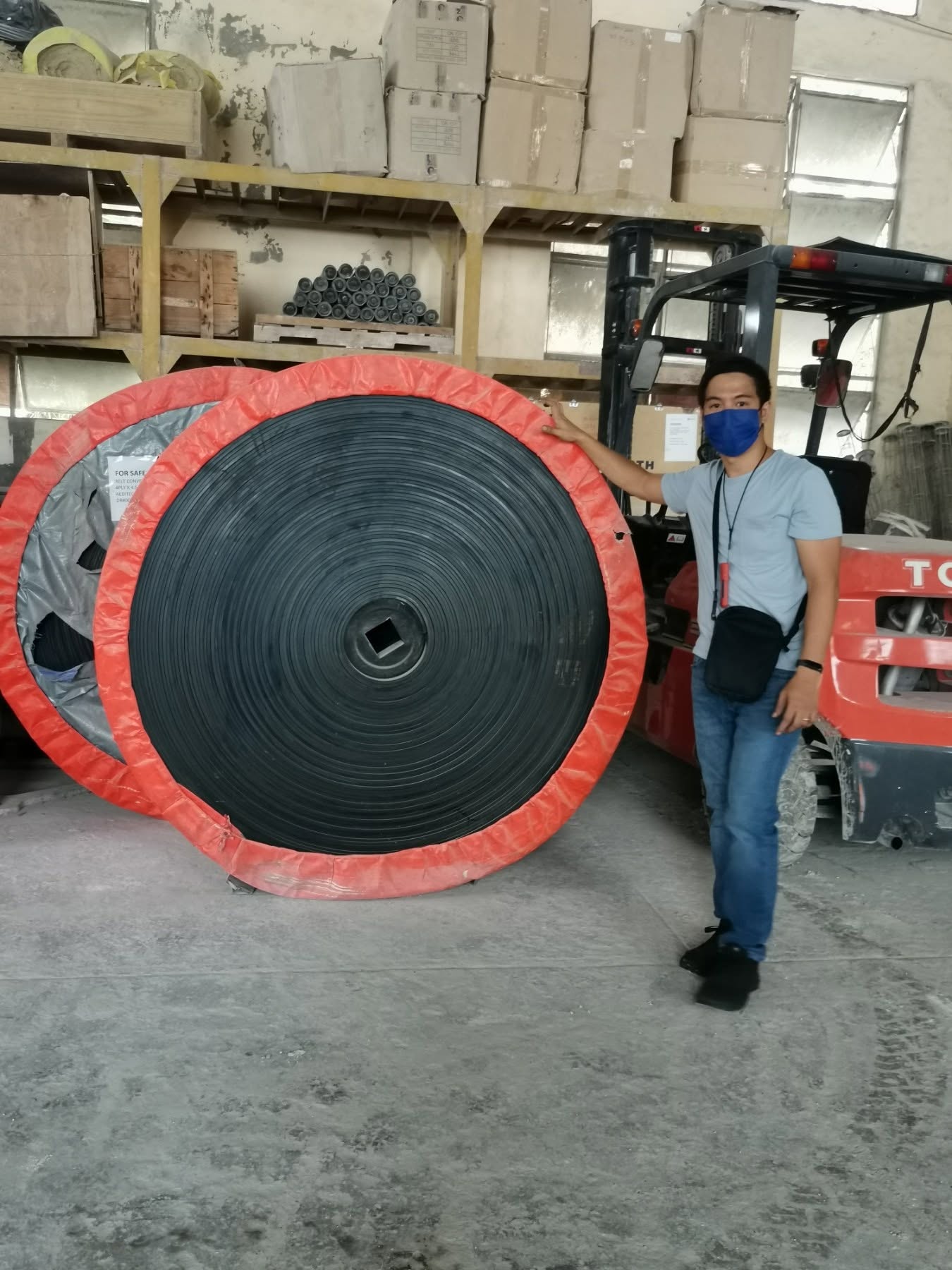
The role required more than ordinary selling. Because the company handled technical and industrial products, she had to understand how equipment worked, explain product features, identify client needs, and recommend appropriate solutions.
Her Singaporean employer later appointed her as an executive assistant and taught her several critical aspects of business operations:
- How to purchase products from overseas suppliers
- How importation works
- How to calculate selling prices and margins
- How to manage important clients
- How to meet sales targets
- How to handle technical B2B accounts
Those years gave Mitch something more valuable than a job title. They gave her an informal education in entrepreneurship — learning how the entire business moved, from sourcing and importation to pricing, sales, fulfillment, and customer relationships.

Motherhood, Career Limitations, and a Critical Decision
After approximately three years, Mitch became pregnant with her first child.
According to her interview, her employer began limiting her to office-based work because of the belief that motherhood would divide her time and reduce her ability to perform her sales responsibilities.
But sales engineering required client visits. She could not fully serve customers or build accounts by remaining inside the office and making calls all day.
Instead of accepting the limitation, Mitch started considering a different future.
She already understood the products. She had learned the process. She knew the clients. She understood how industrial selling worked.
So she asked herself:
“Why not build my own business?”
She sought help from her brother in preparing the company documents and permits. Within around two months, the initial requirements were arranged. Then she resigned.
It was a major risk. She was leaving the security of employment while preparing for the responsibilities of motherhood. But in her mind, the risk of remaining limited had become greater than the risk of building something of her own.
Leaving a ₱50,000 Salary for a ₱3,000 First Profit
Mitch reportedly invested approximately ₱150,000 from her savings to start her first business.
That amount had to cover rent, operating costs, utilities, business registration, transportation, product requirements, customer acquisition, and personal expenses.
Like many new entrepreneurs, she did not immediately experience massive success.
Her first sale reportedly produced only around ₱3,000 in profit.
Before entrepreneurship, she had been earning approximately ₱50,000 from her job.
On paper, the decision appeared irrational: why leave a ₱50,000 salary for a business that initially earned only ₱3,000?
Her answer was based on the future rather than the first transaction. She believed that her own company had greater long-term potential — provided that she was willing to give it enough effort, patience, and focus.
Her first small profit was not the destination. It was proof that someone was willing to pay her company. Many entrepreneurs quit because their first transaction is not impressive. Mitch viewed it as validation that the business could begin moving.
How Credit Cards Helped Finance a Million-Peso Order
A bigger opportunity eventually arrived. One of Mitch’s former clients needed an order worth almost ₱1 million.
The sale could significantly accelerate her young company — but she did not have enough capital to purchase and deliver the required products.
This is one of the most common cash-flow problems in B2B businesses. A company may have a willing customer, a valid order, and a profitable margin — but it may not have enough working capital to purchase the inventory before the customer pays.
Banks and formal lenders usually look for financial history, assets, and established credibility. A startup may have none of those yet.
So Mitch turned to the available credit limits of her own cards and those of family members who agreed to help.
The funds were not used for shopping, vacations, gadgets, or lifestyle expenses. They were used to fulfill a business transaction that already had an identified buyer. Debt gave her temporary access to capital. Her discipline and business execution turned that capital into revenue.
What Mitch Did Right
- Borrowed for a productive purpose
- Used the funds to fulfill an existing business opportunity
- Generated revenue from the transaction
- Repaid the obligation on time
- Protected her credibility
- Used the strengthened credit history for future business needs
Good Debt Versus Dangerous Debt
Debt is neither automatically good nor automatically bad. Its effect depends on how it is structured, priced, used, and repaid.
Productive debt may involve:
- Financing inventory for a confirmed order
- Purchasing equipment with measurable earning capacity
- Funding a short-term cash-flow gap backed by reliable receivables
- Increasing production for proven customer demand
Dangerous debt may involve:
- Borrowing without a confirmed market
- Using business funds for personal luxuries
- Paying one loan with another loan indefinitely
- Ignoring interest, penalties, and processing fees
- Depending on uncertain sales projections
- Assuming that revenue and profit are the same
Borrowed capital can accelerate a proven transaction, but it can also destroy a business when the borrower has no reliable revenue, margin, collection plan, or repayment capacity.
Good Debt or Dangerous Debt? Tap your answer for each scenario.
1. You borrow to buy inventory for an order a customer has already confirmed and signed.
Good debt. This is exactly what Mitch did — borrowing against a confirmed order with a known margin and a clear repayment source.
2. You max out a credit card to upgrade your phone and take a vacation while sales are still “projected.”
Dangerous debt. Lifestyle spending funded by debt has no revenue behind it — the opposite of how Mitch used borrowed capital.
3. You take a new loan just to pay the minimum on an existing loan, month after month.
Dangerous debt. Paying one loan with another indefinitely is a debt spiral — no productive purpose, no exit.
Mitch’s experience should not be reduced to the statement, “Mangutang ka para yumaman.” The responsible lesson is more nuanced than that.
Why Credibility Became Her Most Valuable Asset
Mitch repeatedly emphasized the importance of paying obligations on time.
Because credibility creates access. When a borrower consistently honors financial commitments, banks, suppliers, partners, and other institutions become more willing to extend support.
For entrepreneurs, credibility affects:
- Supplier credit terms
- Bank financing
- Customer trust
- Partnership opportunities
- Business referrals
- Importation arrangements
- Negotiating power
A strong name can become a business asset. A damaged name can become an invisible liability.
For Mitch, credit was not simply money that could be spent. It was trust that had to be protected.
Why She Reinvested Instead of Buying Luxury Assets
As the business grew, Mitch faced another decision: what should she do with the profits?
Many new entrepreneurs immediately upgrade their lifestyle after experiencing their first major earnings. They purchase vehicles, expensive properties, designer products, or other visible symbols of success.
Mitch chose to reinvest.
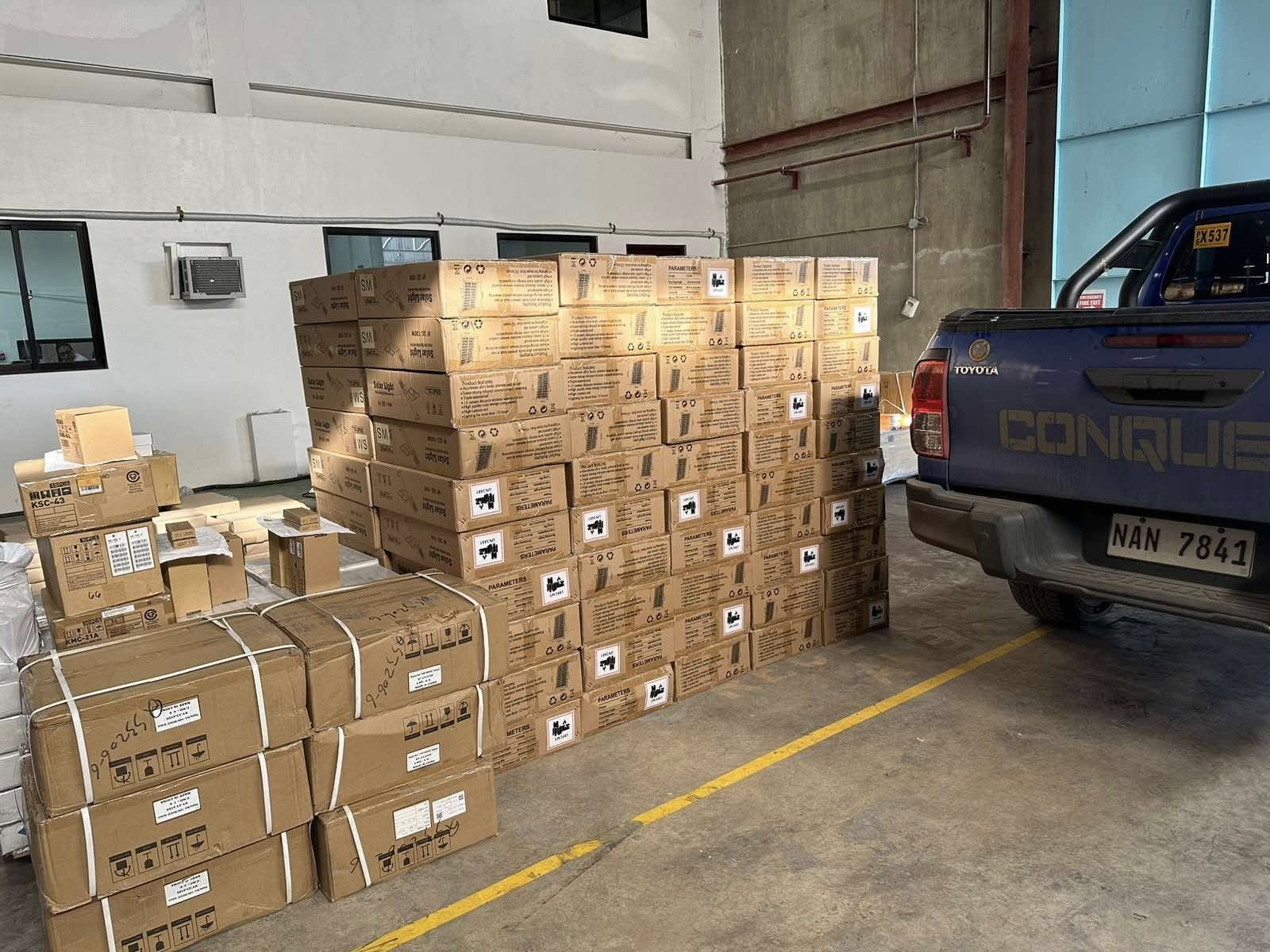
Instead of prioritizing personal assets, she placed money into products, inventory, and connected business operations.
Her reasoning was practical: inventory could be sold; products could generate revenue; a better supply position could reduce delays; direct access to stock could improve margins and customer service.
The first business generates profit. The profit builds the next capability. The new capability strengthens the original business. This classic reinvestment approach eventually contributed to the establishment of another company focused on wholesaling and importing electrical supplies.
Building an Integrated Business Ecosystem
Mitch did not build unrelated companies simply to collect corporate names. The businesses described in the interview support different portions of the same value chain.
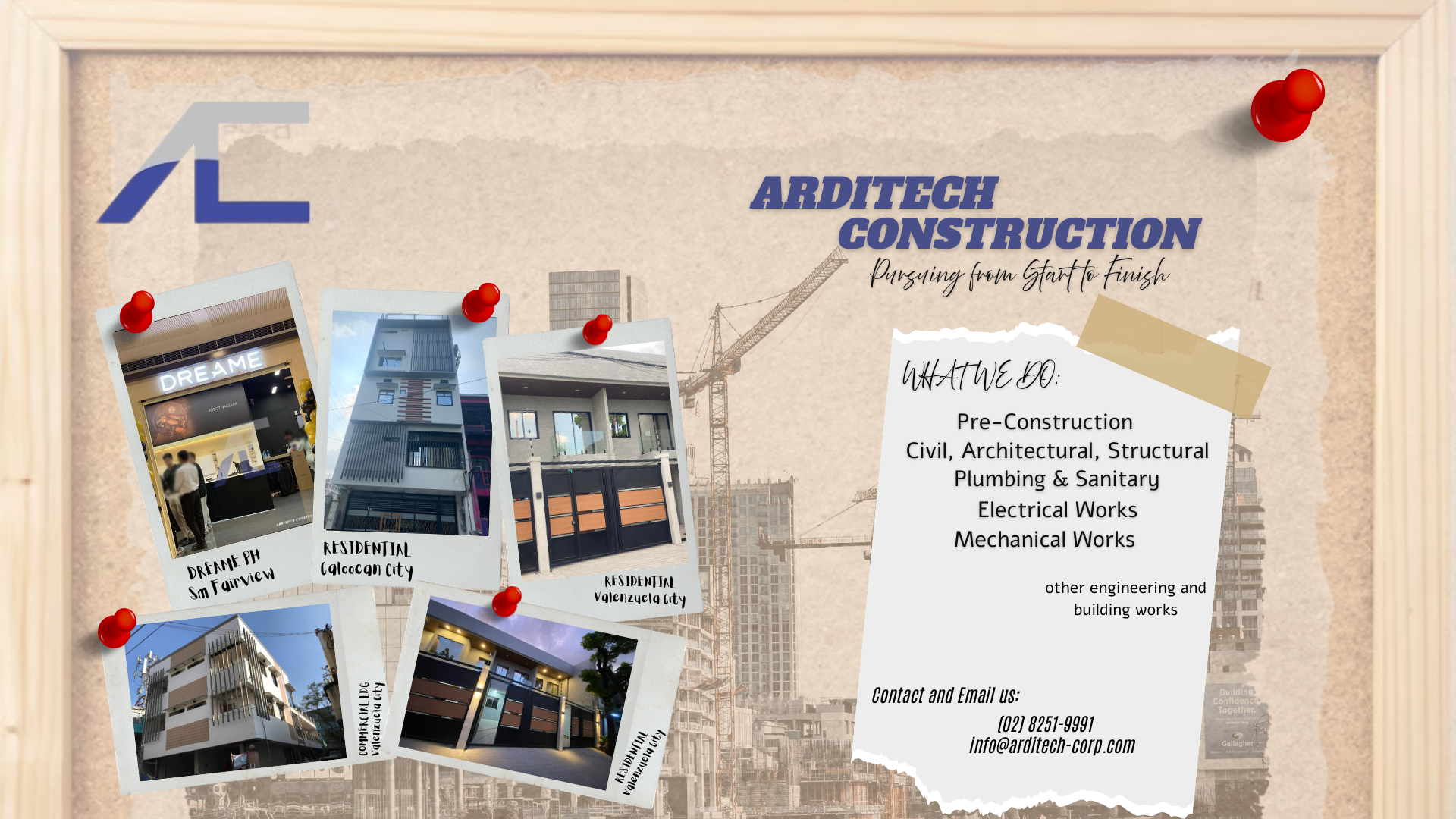
Arditech Corporation
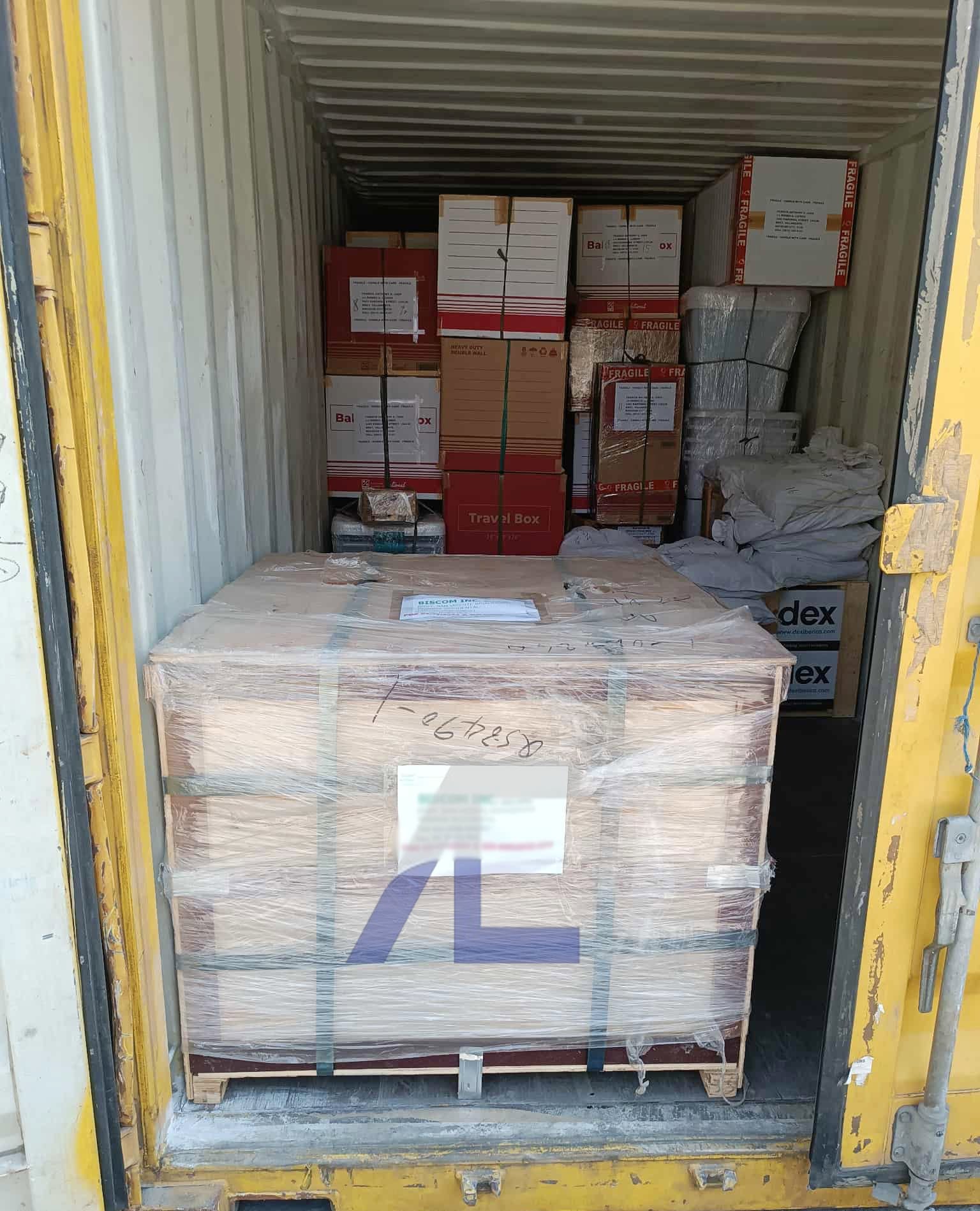
Industrial and electrical products, construction services, installation, repair, maintenance, and civil/mechanical/electrical solutions. Founded 2018.
MCM Industries Corp.
Wholesaler and importer of electrical supplies, helping maintain product availability and improve sourcing for the group.
Inteleport Custom Brokerage
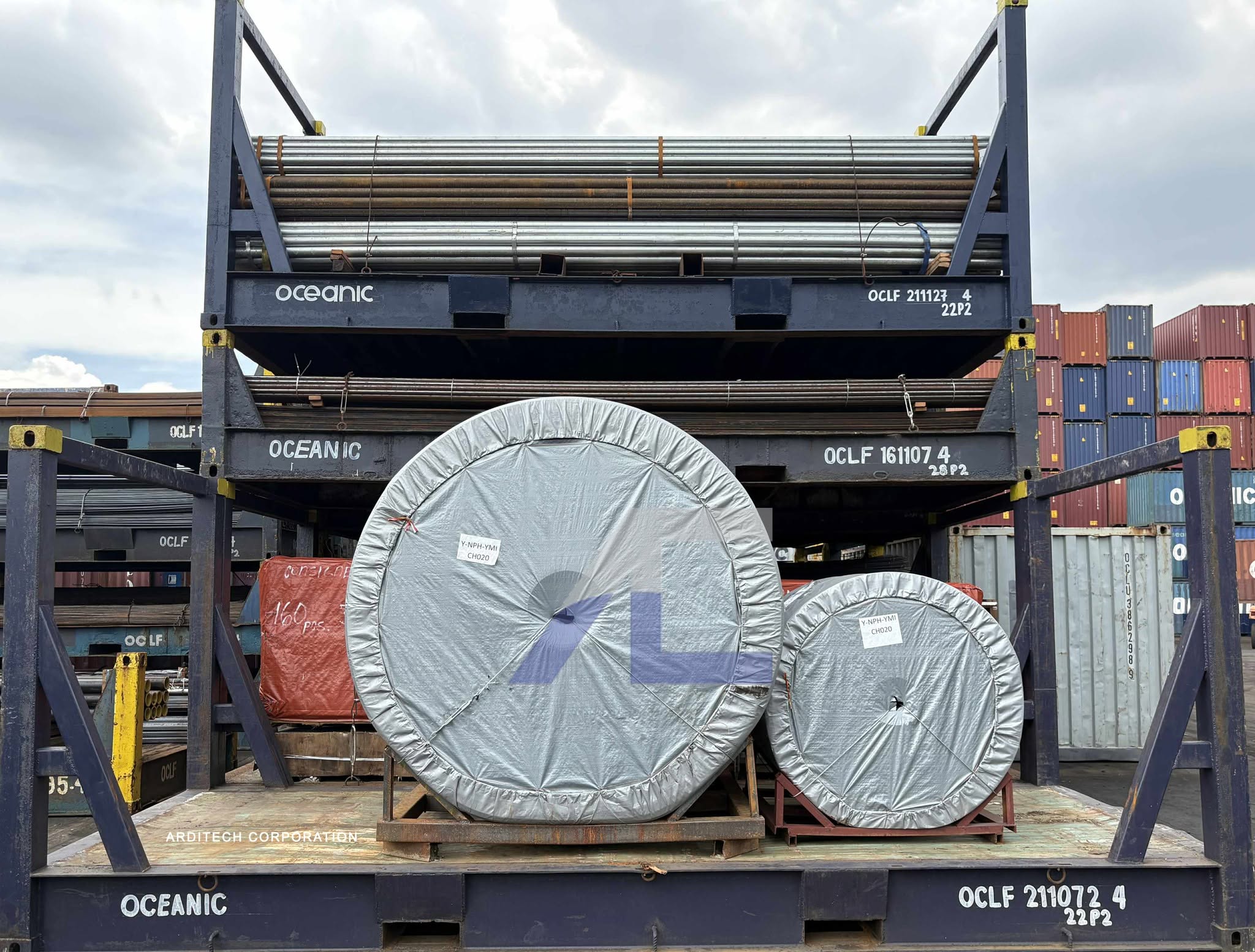
Supports the movement of imported products from overseas suppliers into the Philippines through customs brokerage and logistics.
A fourth company, FOMO Beauty Corporation, represents her expansion into the consumer-facing beauty and wellness industry.

This strategy resembles vertical integration. Instead of depending completely on outside companies for every stage, a business gradually develops control over sourcing, inventory, transportation, logistics, and final delivery.
Potential Benefits of Vertical Integration
- Lower sourcing costs
- Faster product availability
- Improved control over quality
- Stronger margins
- Better coordination
- Reduced dependence on third parties
- Additional revenue streams
Vertical integration also increases complexity. Every additional company requires skilled managers, financial controls, compliance, working capital, inventory systems, accountability, and strong governance. Expansion is valuable only when the organization can manage it.
Arditech Corporation’s Industrial and Construction Services
Arditech’s official website describes the company as providing quality industrial solutions with global brands since 2018. The company lists products and solutions for sectors such as:
- Construction
- Mining
- Milling and quarry operations
- Batching plants
- Steel plants
- Power generation
- Oil and gas
- Food and beverage
- Manufacturing
Published Product Categories
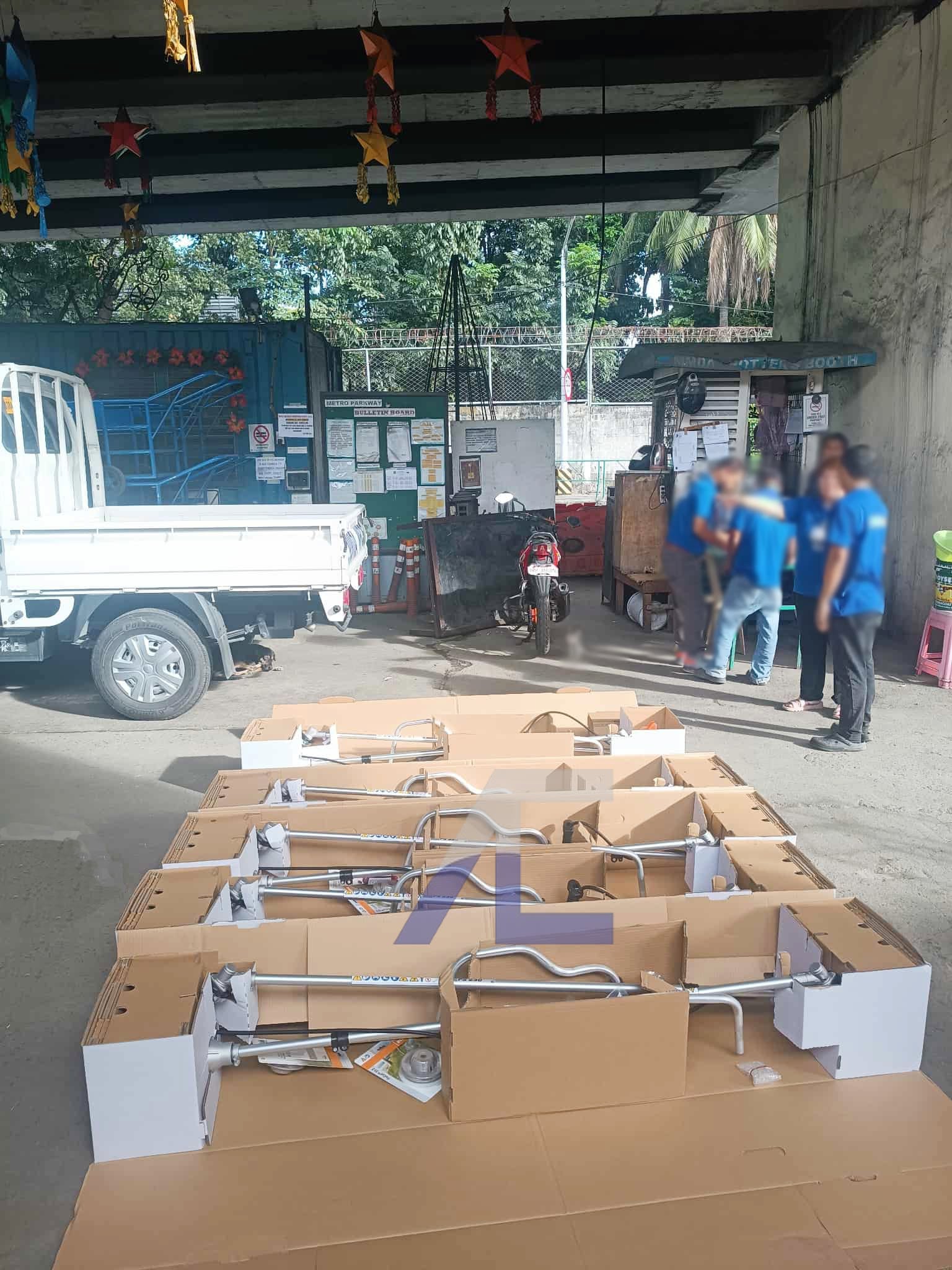
Industrial machinery, electrical products, conduit fittings, grounding products, breakers, welding items, motors, gear systems, crushers, conveyors, batching equipment, LED lighting, circuit breakers, and related spare parts.
Construction & Engineering Scope
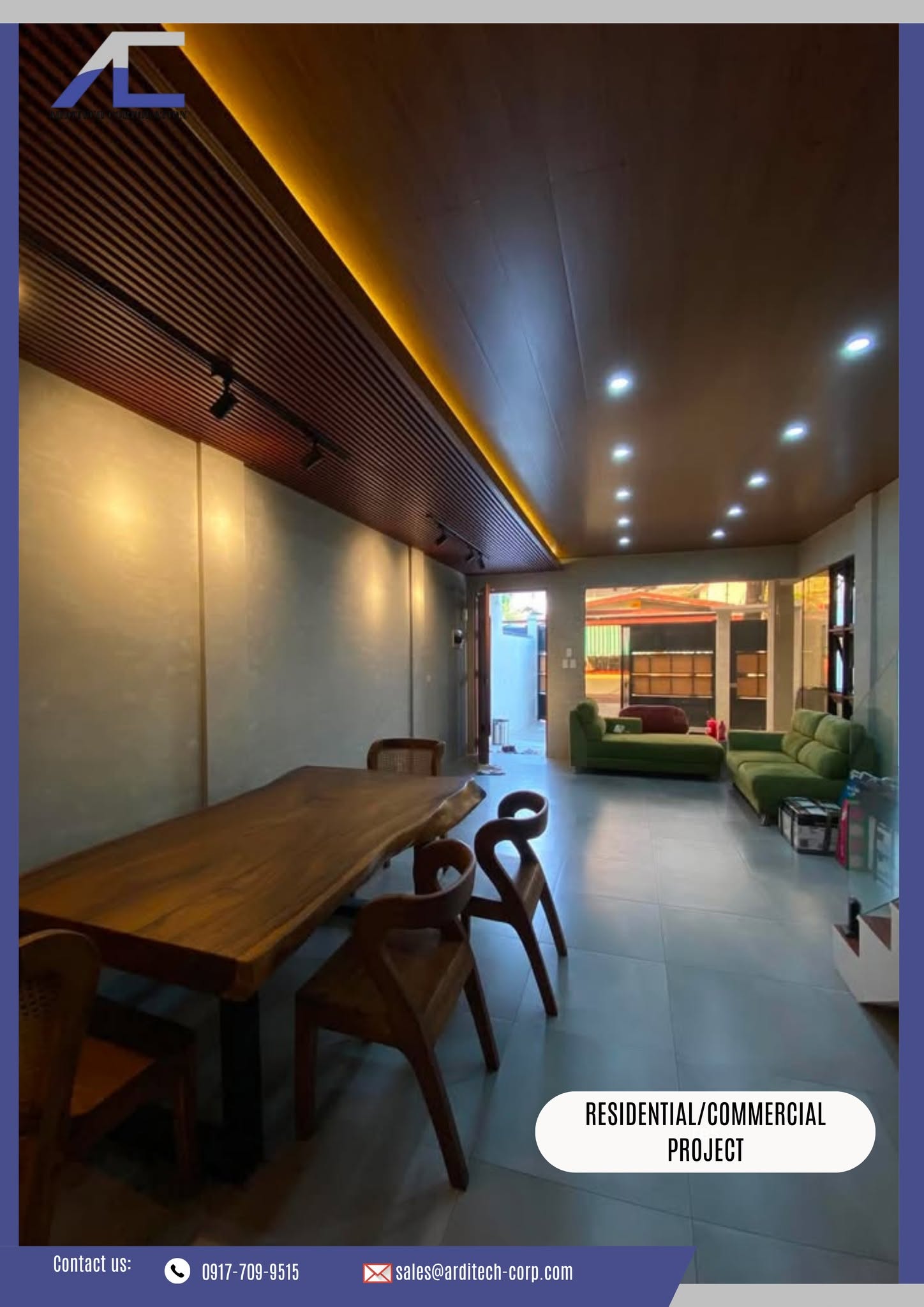
Civil, mechanical, and electrical works together with installation, repair, and maintenance services.
This makes the company relevant to engineers, contractors, architects, manufacturing plants, mining companies, food and beverage facilities, property developers, and industrial procurement teams.

Her Real Definition of Wealth
During the interview, Boss RDR described Mitch as wealthy because of the number and scale of her businesses.
But Mitch did not immediately accept the label.
She said she would consider herself truly wealthy when she could help more families.
At the time of the interview, she shared that her businesses supported approximately 25 employees.
For Mitch, wealth was not limited to personal consumption. It included the ability to provide employment, stable income, opportunities, supplier business, customer solutions, and community impact.
“Hindi mo madadala sa langit ang pera.” Money may not be carried beyond life. But a well-built company can create jobs, support families, develop people, serve customers, and strengthen communities.
That is the truest, most enduring measure of her success — not the four companies she owns, but the countless families her ambition now feeds, protects, and lifts.
When asked whether she was proud of building four companies, Mitch gave an unexpected answer.
She was not most proud of the companies.
She was proud that she fought.
She fought through losing her father, growing up with financial limitations, working while studying, career restrictions, motherhood pressures, small beginnings, limited capital, collection difficulties, and the fear of leaving stable employment.
The companies were the visible result. The real victory was that she did not abandon the ambitious young woman she once was.
Seven Business Lessons From Mitch Ramos
1. Your first profit does not define your final potential
A ₱3,000 initial profit did not mean the business would remain small. It only meant that the business had completed its first transaction.
2. Employment can become your paid business education
Mitch learned sales, purchasing, importation, pricing, and client management before starting her own company. Entrepreneurs should not merely complete tasks at work — they should understand how the entire business operates.
3. Borrowing should follow opportunity — not fantasy
She did not advise inexperienced people to borrow simply because they wanted to become entrepreneurs. Borrowing became relevant when a real order and customer already existed.
4. Protect your credibility
Repayment history, supplier trust, and personal integrity can determine whether new opportunities remain accessible.
5. Reinvest before upgrading your lifestyle
Business earnings can create greater long-term value when used to improve inventory, capacity, systems, people, and operations.
6. Build connected capabilities
Her companies were developed around related needs — supply, importation, logistics, brokerage, and construction. Strategic expansion should solve a real operational gap.
7. Wealth must create impact
The most meaningful measurement of business success is not simply how much the owner possesses. It is how many lives the business improves.
A Necessary Warning for Aspiring Entrepreneurs
Mitch Ramos’ story is inspiring, but it should not be copied without understanding the risk. Credit-card interest and penalties can be extremely expensive. A confirmed order can still be delayed, cancelled, disputed, or left unpaid. A customer may take months to settle an invoice while the credit-card bill becomes due within weeks.
Before using debt for business, calculate:
- Total purchase cost
- Taxes and importation expenses
- Delivery and logistics
- Interest and financing fees
- Expected gross profit
- Customer payment terms
- Collection risk
- Emergency reserves
- Alternative repayment sources
- The financial effect if the customer pays late
Responsible leverage requires numbers, not excitement.
Do not borrow based only on confidence. Borrow only after understanding the transaction, downside risk, and legal obligations — and seek qualified financial advice when the exposure is substantial.
How to Contact Arditech Corporation
Contractors, engineers, architects, industrial companies, manufacturers, and procurement teams may contact Arditech Corporation regarding industrial products, electrical supplies, machinery-related requirements, and construction services.


Visit Arditech on Facebook Arditech Website
Business hours: Monday–Friday, 8:30 AM – 6:00 PM • 12,700+ Facebook followers
Ms. Mitch Ramos
Founder & CEO of Arditech Corporation. Electronics engineer, mother, multi-company entrepreneur. Follow on Facebook →
Boss RDR
Reymond “Boss RDR” delos Reyes — Founder of RDR Business Solutions Inc. and host of RDR Talks. Subscribe on YouTube →
Frequently Asked Questions